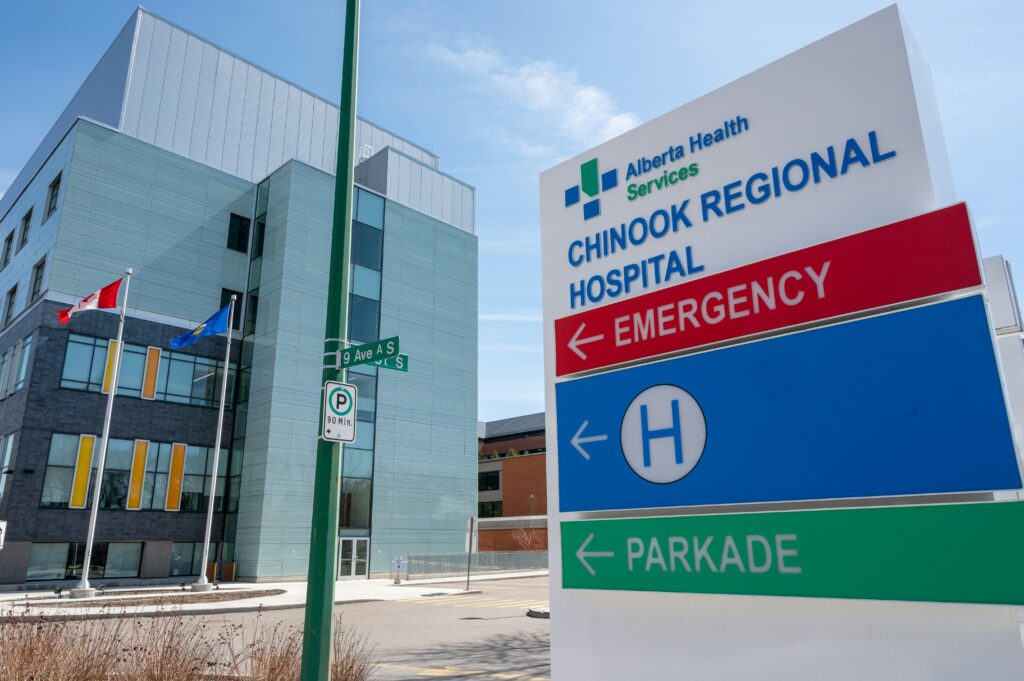
Introduction: Healthcare remains one of the most resilient industries in the U.S., with growing demand for staff at all levels. While many assume a degree is mandatory to enter the field, numerous entry-level roles allow beginners to start earning immediately while gaining experience. These jobs exist because healthcare facilities need operational efficiency, risk reduction, and reliable support, not necessarily formal credentials. Understanding why employers pay for these roles, the economic value generated, and the trade-offs involved is essential to making informed career choices.
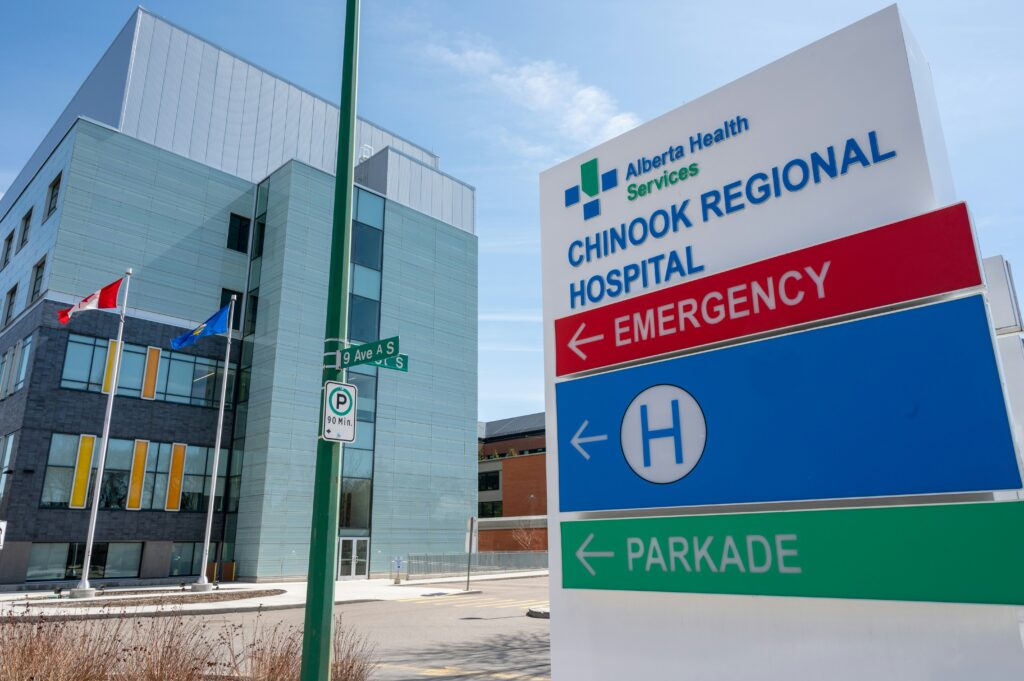
Entry-level positions offer more than income. They are gateways to learning, skill-building, and career advancement. The best beginners recognize that pay is tied to the value they provide, whether by improving clinic workflow, reducing hospitalizations, or preventing costly errors. Those who see this beyond a paycheck are the ones who advance quickly and earn more over time.
Why These Jobs Exist and What Drives Pay
Healthcare facilities face constant operational pressures: high patient volumes, staff shortages, regulatory compliance, and administrative overload. Beginners fill a gap by handling repetitive but essential tasks, freeing licensed professionals to focus on work that requires expertise.
Consider a medical assistant. A nurse could take vitals, prepare patients, and update records, but doing so slows the clinic. A medical assistant performs these tasks efficiently, letting the nurse see more patients. The economic principle is simple: time saved equals money saved or earned, which justifies the wage even for someone with no prior experience.
Home health aides operate on a similar principle. Their work keeps patients at home, preventing expensive hospital visits. A $15/hour aide may prevent a $2,000 hospitalization—an immediate return on investment for agencies and families. Phlebotomy technicians prevent costly errors by ensuring lab samples are collected and processed correctly. Even administrative roles like receptionists or pharmacy technicians generate measurable value by maintaining efficiency, accuracy, and patient satisfaction.
The overarching lesson: you get paid for the value you create, not your credentials. Recognizing this allows beginners to strategize, identify growth opportunities, and maximize income early in their careers.
Medical Assistant
Role Summary:
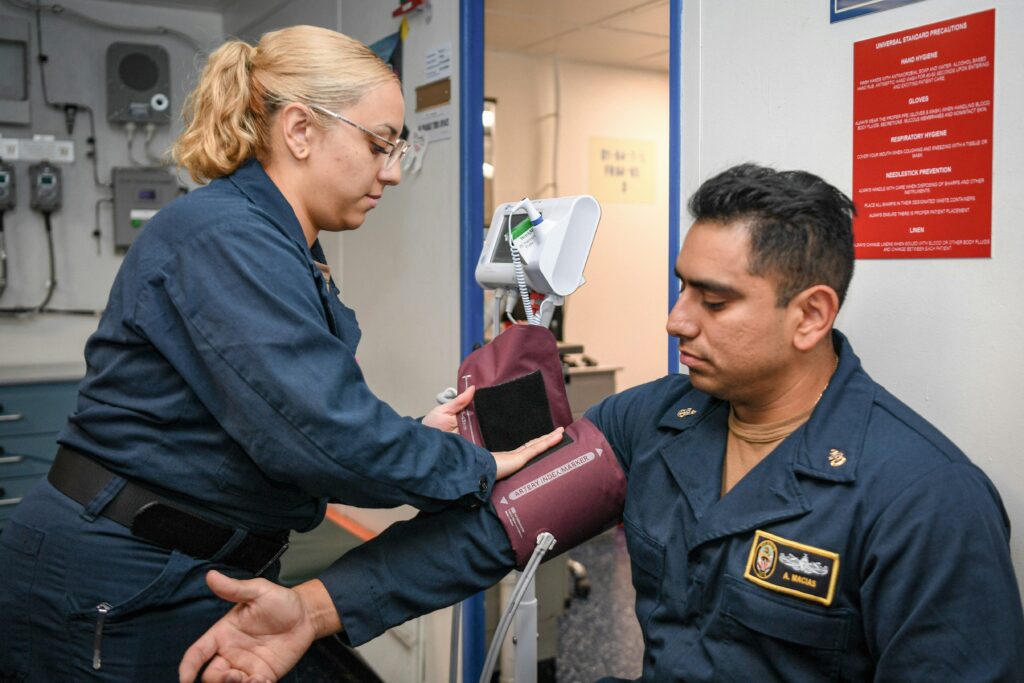
Medical assistants perform administrative and basic clinical tasks that keep clinics and hospitals running smoothly. They directly support doctors, nurses, and lab technicians by handling routine yet essential duties.
Responsibilities:
- Record patient vitals (temperature, blood pressure, heart rate)
- Take medical histories and update electronic health records (EHR)
- Prepare patients for examinations and minor procedures
- Assist with lab tests, medication administration, or routine clinical tasks under supervision
Daily Workflow Example:
A medical assistant’s day begins with reviewing the patient schedule and preparing exam rooms. Each patient requires vitals, paperwork, and preparation. Between patient visits, the assistant updates EHRs, communicates lab results to supervising nurses, and coordinates with the front desk for smooth patient flow. Accuracy and efficiency are crucial; even minor delays can cascade and affect multiple patients.
Income Range: $17–$20/hour (~$1,500–$1,700/month full-time)
Certifications & Resources:
- Coursera: Medical Assistant Professional Certificate
- State Programs: Many U.S. workforce development initiatives fund short-term medical assistant training programs
Pros:
- High demand in hospitals, clinics, and private practices
- Exposure to multiple aspects of healthcare
- Opportunity to pursue certifications that increase pay
Cons/Trade-Offs:
- Physically demanding (long hours on feet, patient lifting)
- Irregular schedules, including nights and weekends
- Exposure to sick patients
Career Growth Tips:
- Gain certifications (CPR, EHR, phlebotomy) to expand responsibilities
- Demonstrate reliability and attention to detail to supervisors
- Use experience as a springboard to lab work, administrative roles, or nursing pathways
Home Health Aide
Role Summary:
Home Health Aides (HHAs) support patients with daily living activities, often in private homes, nursing facilities, or elder care centers. They are critical in ensuring patient independence and safety.
Responsibilities:
- Assist with bathing, dressing, feeding, and mobility
- Monitor vital signs and overall health status
- Document care and communicate changes to supervising nurses or family caregivers
- Provide emotional support and companionship
Day-to-Day Workflow Example:
Morning begins with assisting the patient with hygiene and breakfast, monitoring vital signs, and administering medications under supervision. Midday may involve light housekeeping, mobility exercises, and documentation. Afternoon tasks often include patient companionship, monitoring for changes, and preparing a daily report for the supervising nurse or agency. Flexibility is important, as patient needs can change daily.
Income Range: $15/hour (~$1,200–$1,500/month)
Certifications & Resources:
- Coursera: Introductory courses in elder care and patient support
- State HHA Certification: Required in most U.S. states; 75–120 hours of training
Pros:
- Flexible schedules
- High demand, especially for elderly and chronic care patients
- Opportunity to advance to CNA (Certified Nursing Assistant) or specialized care roles
Cons/Trade-Offs:
- Physically and emotionally taxing
- Irregular schedules, including evenings and weekends
- Recognition can be limited despite high responsibility
Career Growth Tips:
- Pursue further certifications (CNA, CPR) to increase pay and responsibility
- Build a reputation for reliability and patience
- Use experience as a stepping stone to supervisory roles or specialized patient care
Phlebotomy Technician
Phlebotomy technicians collect and handle blood samples for lab testing. Accuracy is critical to prevent misdiagnoses or repeat procedures.
Responsibilities:
- Draw blood safely from patients
- Label and prepare samples for testing
- Maintain hygiene and compliance standards
- Communicate effectively with patients and lab staff
Day-to-Day Workflow Example:
A phlebotomy technician starts by reviewing scheduled lab appointments. Equipment is prepared, and patients are welcomed. Blood draws are performed with precision, and each sample is labeled and logged in the lab tracking system. Urgent or unscheduled requests may require quick adaptation. Accuracy prevents costly errors and ensures timely results for diagnoses.

Income Range: $18–$22/hour
Certifications & Resources:
- Coursera: Clinical Laboratory Technician Fundamentals
- ASPT Certification: Recognized by hospitals and labs across the U.S.
Pros:
- Short certification programs allow quick entry
- High demand in hospitals and labs
- Clear path to specialized lab roles
Cons/Trade-Offs:
- Repetitive and physically draining
- Exposure to biohazards
- Steady precision required; errors are costly
Career Growth Tips:
- Complete recognized certification programs
- Document diverse lab experiences
- Seek mentorship from senior technicians
Pharmacy Technician
Pharmacy technicians assist pharmacists by preparing and dispensing medications, managing inventory, and interacting with patients.
Responsibilities:
- Prepare prescriptions under pharmacist supervision
- Track inventory and manage stock
- Communicate with patients and insurance providers
- Ensure compliance with legal and safety regulations
Day-to-Day Workflow Example:
A typical day begins with reviewing prescription orders, verifying patient information, preparing medications, and updating inventory. During peak hours, technicians manage multiple prescriptions simultaneously while assisting patients with questions. Accuracy is crucial; mistakes can have serious consequences.
Income Range: $16–$20/hour
Certifications & Resources:
- PTCB (Pharmacy Technician Certification Board) for certification
- Coursera courses on pharmacy operations for beginners
Pros:
- Stable employment in retail and hospital pharmacies
- Exposure to healthcare operations and pharmacology
- Opportunities to advance into supervisory roles
Cons/Trade-Offs:
- Repetitive, detail-heavy work
- High responsibility for accuracy
- Can be stressful during peak periods
Career Growth Tips:
- Gain certification and mastery of pharmacy software
- Build reliable, consistent performance to earn promotions
- Develop strong patient communication skills
Medical Receptionist / Front Desk
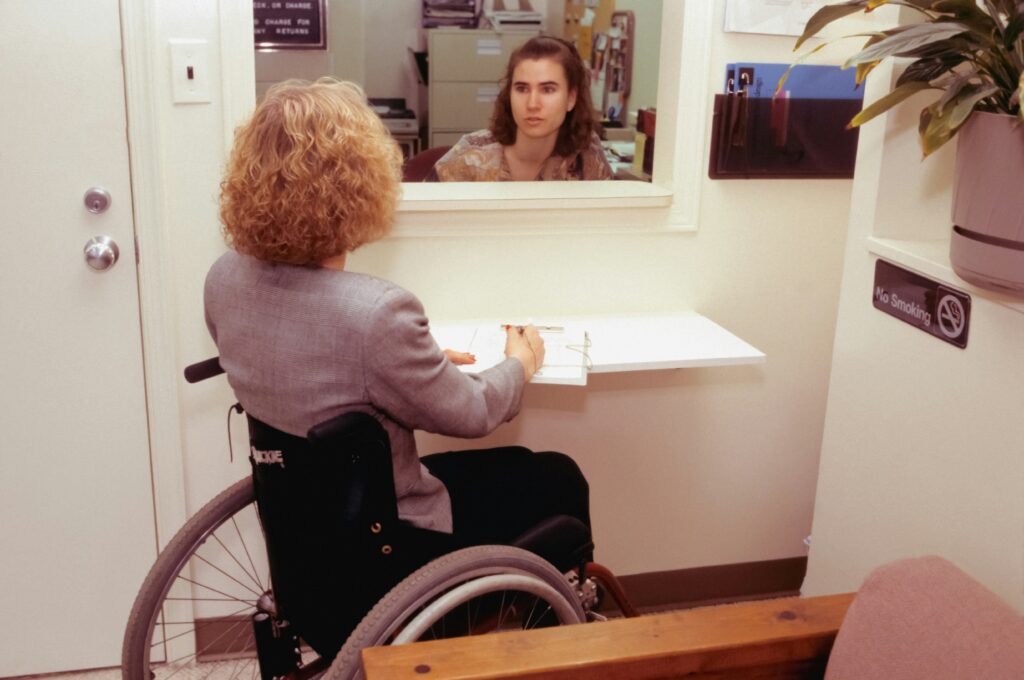
Medical receptionists manage appointments, patient records, and communications in healthcare facilities.
Responsibilities:
- Schedule and confirm appointments
- Maintain and update patient records
- Handle phone calls and in-person inquiries
- Coordinate communication between patients and medical staff
Day-to-Day Workflow Example:
Morning begins with reviewing the schedule and confirming appointments. Receptionists greet patients, manage check-ins, answer calls, and handle billing or insurance queries. Multitasking is constant; errors in scheduling or record-keeping can disrupt the clinic.
Income Range: $14–$18/hour
Pros:
- Less physically demanding than clinical roles
- Builds transferable administrative skills
- Opportunities for advancement into management
Cons/Trade-Offs:
- Repetitive and sometimes stressful work
- Handling frustrated patients is emotionally taxing
- Requires continuous attention to detail
Career Growth Tips:
Network with medical staff for advancement opportunities
Learn EHR and scheduling software
Build reliability to move into supervisory roles
Certified Nursing Assistant (CNA)
Certified Nursing Assistants provide direct patient care in hospitals, nursing homes, and home care settings. They support nurses by assisting with daily living tasks and monitoring patient health.
Responsibilities:
- Assist patients with bathing, dressing, feeding, and mobility
- Take and record vital signs
- Monitor patient condition and report changes to nurses
- Help with basic medical procedures under supervision
Day-to-Day Workflow Example:
- Morning: Wake patients, assist with hygiene, record vital signs, and distribute breakfast
- Midday: Help patients with physical therapy exercises, assist nurses with minor procedures, update charts
- Afternoon: Check for changes in patient condition, prepare patients for appointments or therapies, communicate with family members
- Evening: Assist with dinner, bedtime routines, and document all care
Income Range: $16–$20/hour
Certifications & Resources:
- State-mandated CNA training (typically 75–150 hours)
- Coursera and local workforce programs offer prep courses for CNA exams
Pros:
- High demand in hospitals, long-term care, and home care
- Quick entry into healthcare
- Builds hands-on clinical experience
Cons / Trade-Offs:
- Physically demanding (lifting and moving patients)
- Emotionally taxing when dealing with severe illnesses or end-of-life care
- Often includes night shifts or weekend work
Insights:
CNA experience demonstrates expertise and reliability in patient care. Careful observation, accurate reporting, and consistent attention to patient needs build trust with supervisors and medical teams.
Patient Care Technician (PCT)
PCTs are similar to CNAs but often perform additional clinical tasks such as EKGs, phlebotomy, and monitoring patient telemetry. This role bridges basic patient care with technical support.
Responsibilities:
- Assist with activities of daily living
- Perform EKGs, collect lab samples, monitor telemetry
- Update patient records and report changes to nurses
- Support minor clinical procedures under supervision
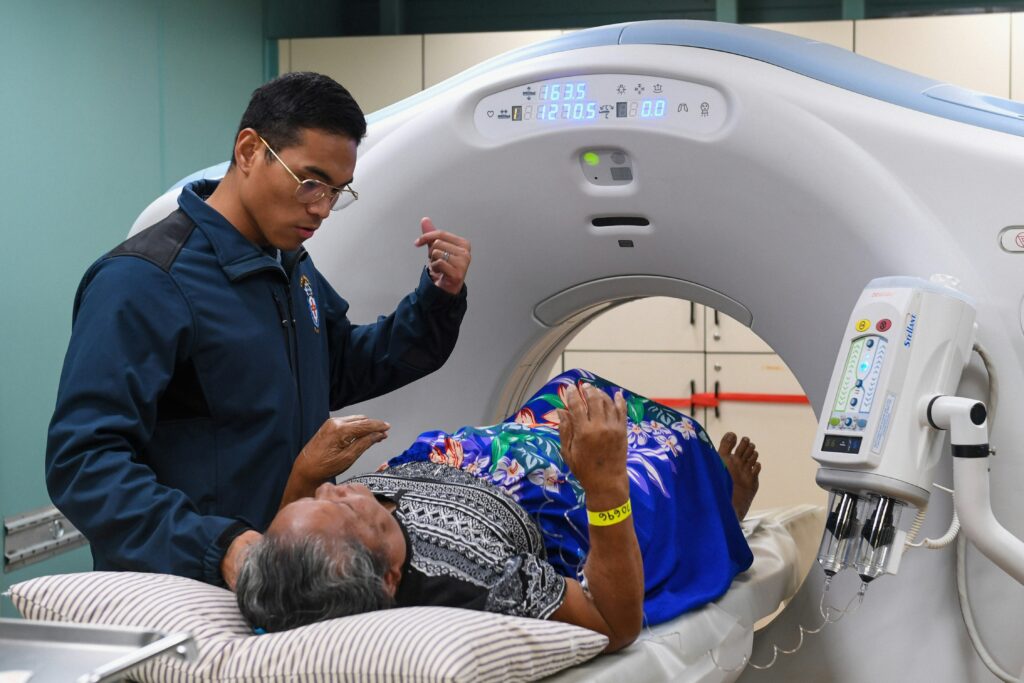
Patient Care Technician conducting EKG test on patient
Day-to-Day Workflow Example:
- Morning: Help patients with hygiene, breakfast, and mobility
- Midday: Conduct scheduled EKGs, draw blood for labs, monitor heart rhythm
- Afternoon: Communicate findings to nurses, assist with procedures, update charts
Income Range: $18–$22/hour
Certifications & Resources:
- PCT training programs available through hospitals and vocational schools
- Coursera courses on clinical procedures and patient care fundamentals
Pros:
- High-demand, technical skill development
- Exposure to both patient care and clinical procedures
- Stepping stone to specialized technical roles (EKG tech, lab tech)
Cons / Trade-Offs:
- Repetitive and physically demanding tasks
- High responsibility for accuracy in procedures
- Emotional stress from direct patient care
Insights:
By performing technical tasks accurately, beginners demonstrate trustworthiness and competence, building a foundation for more specialized healthcare roles.
EKG Technician / Cardiographic Technician
EKG Technicians perform diagnostic testing on patients’ heart activity, providing critical data for medical decision-making.
Responsibilities:
- Set up and operate electrocardiogram machines
- Explain procedures to patients and ensure comfort
- Monitor results and report abnormalities to supervising medical staff
- Maintain equipment and adhere to safety protocols
Day-to-Day Workflow Example:
- Morning: Review patient schedule and calibrate equipment
- Conduct EKGs for inpatients and outpatients
- Document results in the patient record system
- Communicate any urgent findings to supervising physicians
Income Range: $19–$24/hour
Certifications & Resources:
- ECG/EKG Technician Certification through accredited programs
- Online courses on Coursera for beginner-level cardiography
- State licensing may apply depending on location
Pros:
- Specialized skill set with high demand
- Relatively short training period
- Clear career path into cardiac monitoring or lab technician roles
Cons / Trade-Offs:
- Repetitive procedures
- Responsibility for accurate readings is high
- Requires patient communication and sometimes stressful schedules
Insights:
Accuracy in EKGs is essential — beginners who consistently perform well establish authority and reliability in clinical diagnostics.
Medical Billing & Coding Clerk
Billing and coding clerks manage healthcare records, ensure accurate insurance claims, and maintain compliance with medical regulations.
Responsibilities:
- Review patient records for correct coding
- Submit insurance claims
- Handle billing inquiries and resolve discrepancies
- Maintain compliance with HIPAA and other healthcare regulations
Day-to-Day Workflow Example:

- Morning: Review daily claims, correct errors, communicate with insurance providers
- Midday: Update billing software, reconcile payments, handle patient inquiries
- Afternoon: Audit previous claims, report issues to supervisors, ensure compliance
Income Range: $17–$22/hour
Certifications & Resources:
- Coursera: Medical Billing and Coding Certificate
- AAPC or AHIMA certification programs recognized nationwide
Pros:
- Office-based, less physically demanding
- High demand as healthcare documentation becomes digital
- Clear certification paths for career advancement
Trade-Offs:
- Repetitive and detail-heavy
- Responsibility for accurate coding is high; errors are costly
- May involve long hours at a desk .
Lab Assistant / Clinical Laboratory Assistant
Role Summary:
Lab Assistants support laboratory operations by preparing samples, running basic tests, and maintaining lab equipment.
Responsibilities:
- Collect, prepare, and label lab specimens
- Run routine tests under supervision
- Maintain lab equipment and follow safety protocols
- Record and report results accurately
Day-to-Day Workflow Example:
- Morning: Prepare reagents, set up instruments, review scheduled tests
- Collect and process specimens from patients or clinics
- Document test results, maintain lab cleanliness
- Afternoon: Assist with quality control and report anomalies
Income Range: $16–$21/hour
Certifications & Resources:
- Coursera: Clinical Laboratory Fundamentals
- State or hospital-based lab assistant programs
Pros:
- Entry-level access to lab experience
- Builds technical skills for advanced lab roles
- High demand in hospitals and private labs
Cons:
- Repetitive lab work
- Exposure to biohazards
- Accuracy is critical; mistakes can have serious consequences
Insights:
Lab assistants who follow protocols precisely demonstrate expertise and reliability, making them trusted contributors to diagnostic workflows.
Career Growth and Advancement in Entry-Level Medical Jobs
While entry-level positions provide a starting point, strategic planning, skill-building, and cross-training can significantly increase income, responsibility, and career stability. Section 3 focuses on how beginners can leverage initial medical roles to advance, covering practical steps, certifications, and realistic expectations.
1. Cross-Training for Multiple Roles
One of the fastest ways to increase value in healthcare is cross-training across roles. For example:
- A Medical Assistant can learn phlebotomy or EKG procedures to become a Patient Care Technician.
- A Home Health Aide can pursue CNA certification to handle more complex patient care.
- A Pharmacy Technician can add medical billing and coding skills to expand employability.
Benefits of Cross-Training:
- Increases pay potential (technicians often earn $18–$22/hour after certifications)
- Opens doors to hospital or lab positions that are otherwise closed to beginners
- Builds practical, marketable skills recognized by supervisors
Downsides / Trade-Offs:
- Training requires time and sometimes cost (though workforce programs and Coursera scholarships exist)
- Learning multiple roles simultaneously can be physically and mentally demanding
- Juggling responsibilities may cause temporary burnout if not managed carefully
Workflow Example:
A Medical Assistant could spend mornings performing clinical tasks and afternoons performing EKG tests. Over time, supervisors notice reliability and expanded skills, opening opportunities for higher-paying roles or promotion.
2. Certifications That Matter
Certifications are a gateway to higher pay and trust in healthcare. Beginners should focus on programs that are widely recognized and quickly attainable.

Recommended Certifications:
| Role | Certification | Approx. Duration |
|---|---|---|
| Medical Assistant | CPR, EHR, Phlebotomy | 2–6 months |
| Home Health Aide | State-mandated HHA / CNA | 75–150 hours |
| Phlebotomy Technician | ASPT, CPT | 1–3 months |
| EKG Technician | ECG/EKG Tech Certificate | 1–2 months |
| Pharmacy Technician | PTCB | 2–4 months |
| Medical Billing & Coding | AAPC / AHIMA | 3–6 months |
Why Certifications Pay Off:
- Employers value verified skills for patient safety and compliance
- They signal expertise and reliability even for beginners
- Certification can be combined with experience to negotiate higher pay or better shifts
Downsides / Trade-Offs:
- Cost of certification (though some workforce programs reimburse)
- Time commitment, which may require juggling with current work hours
- Some certifications need renewal or continuing education
3. Moving Into Specialized Roles
After mastering entry-level positions, beginners can specialize in niche medical areas:
- Cardiology Support: Learn EKGs, telemetry monitoring, or cardiac stress tests.
- Laboratory Support: Transition into Lab Assistant or Clinical Lab Technician roles.
- Patient Management: Combine administrative and clinical experience to become a Health Unit Coordinator or Medical Office Manager.
Workflow Example:
A Home Health Aide transitions to CNA and then PCT, performing both patient care and EKGs. This dual expertise allows supervisors to assign them to cardiac units, where pay is higher ($22–$28/hour) and responsibility increases.
Benefits:
- Higher income potential
- Expanded responsibilities and recognition
- Opportunities for leadership roles within clinical teams
Downsides / Trade-Offs:
- Increased stress due to patient complexity
- Irregular hours depending on unit or facility
- Requires ongoing training and documentation
4. Administrative and Remote Opportunities
Entry-level medical staff can transition into administrative or remote roles, which often pay more and reduce physical strain:
- Medical Billing & Coding Clerk: Works with patient records and insurance claims
- Telehealth Support Specialist: Assists remote consultations, schedules, and follow-ups
- Insurance Claims Processor: Ensures correct billing and reduces costly errors
Pros:
- Less physically demanding
- Flexible schedules, sometimes remote
- Build transferable skills for future career paths
Cons / Trade-Offs:
- Work can be repetitive and detail-heavy
- Responsibility for compliance and accuracy is high
- May require additional software training or certification
Workflow Example:
A Medical Receptionist who earns experience with EHR systems can transition to remote claims processing. Daily tasks include reviewing patient records, submitting insurance claims, and communicating with healthcare providers digitally.
5. Networking and Mentorship
Career growth is not just about certifications; it’s also about relationships and guidance. Beginners should:
- Seek mentorship from experienced nurses, technicians, or supervisors
- Attend local healthcare workforce events or webinars
- Join online communities for CNAs, medical assistants, or technicians
Benefits:
- Learn practical tips and shortcuts from experienced professionals
- Gain early access to open positions or promotions
- Build credibility and visibility within the workplace
Downsides / Trade-Offs:
- Networking requires time and effort
- Not all mentors are equally effective
- Some opportunities may be competitive
Workflow Example:
Shadowing a senior phlebotomy technician for one week provides real insight into lab workflows, troubleshooting, and patient communication. This experience is valued by future employers.
6. Realistic Income Expectations
Beginners often overestimate entry-level pay. A realistic roadmap looks like this:
- Medical Assistant / HHA: $14–$20/hour initially
- Phlebotomy / EKG / Lab Assistant: $18–$22/hour after training
- Certified Nursing Assistant / Patient Care Technician: $16–$22/hour with certification
- Administrative / Remote Roles: $16–$24/hour depending on software proficiency and certification
Tips for Increasing Income:
- Cross-train into multiple roles
- Complete certifications quickly
- Demonstrate reliability, accuracy, and initiative
- Seek facilities with structured growth programs
Trade-Offs:
- High-demand roles may involve stress, irregular hours, or physically demanding tasks
- Early stages often require a willingness to learn and adapt under supervision
7. Concluding Guidance
Entry-level medical jobs without a degree offer more than just a paycheck — they provide experience, skills, and pathways for growth. By understanding the realities of each role, pursuing certifications, cross-training, and seeking mentorship, beginners can:
- Increase income steadily
- Move into specialized or administrative roles
- Build credibility and trust in healthcare teams
- Avoid common pitfalls like burnout or overextension
Key Takeaways:
- Start strategically with roles that match your strengths
- Invest in certifications that are recognized and in demand
- Cross-train to expand responsibility and pay potential
- Understand downsides to make informed career choices
- Use experience, accuracy, and reliability to demonstrate authority and trustworthiness
Healthcare entry-level roles are accessible, valuable, and a true springboard for long-term career success — even without a degree. Those who approach them strategically, with attention to skill-building and workflow mastery, can achieve stability, growth, and professional credibility.