High-Paying Freelance Jobs for Beginners: How to Start with Minimal Experience
Introduction:You can start earning $500 or more even without advanced skills. Jobs like content writing, social media management, graphic design, and basic video editing are in high demand, and beginners can quickly turn small projects into real income. The trick is focusing on skills that clients actually pay for—SEO writing, email marketing, and simple marketing content can take you surprisingly far. Platforms like Fiverr, Upwork, and Freelancer connect you with people who need your help right now, so you can start making money from day one. With consistency, smart project choices, and a willingness to learn as you go, even beginners can build a freelance income that grows steadily—and gain confidence while doing it. Freelancing isn’t just possible; it’s achievable, even for first-timers willing to take action.
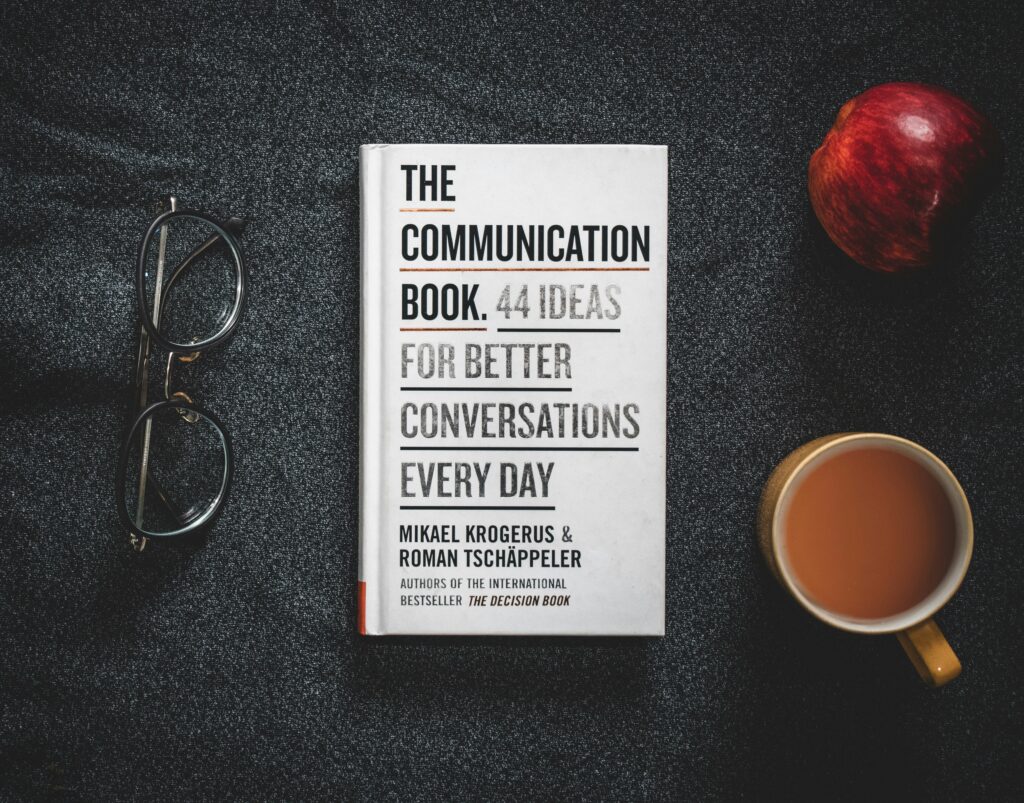
Good communication is vital in this sector.
Freelance Writing and Social Media Jobs
Freelancing has become one of the most accessible ways for beginners to start earning money online, and writing and social media management are at the forefront of these opportunities. Even with minimal experience, you can turn skills you already have—like typing, communication, or storytelling—into paying projects that not only generate income but also build your professional profile.
These roles are particularly beginner-friendly because companies and entrepreneurs often need help creating content and managing their online presence, yet they may not have the budget to hire full-time staff. Freelancers step in to fill this gap, providing value in exchange for pay that can be surprisingly high, even at the entry level.
1. Content Writing and Copywriting
Understanding the Role
Content writing and copywriting are often lumped together, but they serve slightly different purposes:
Content writing focuses on providing informative or educational material. Examples include blog posts, website articles, guides, and newsletters. The goal is usually to attract traffic, educate the reader, and subtly promote a product or service.
Copywriting is more marketing-oriented. Its purpose is to persuade the reader to take an action—sign up, buy a product, or engage with a service. Examples include product descriptions, ad copy, email marketing campaigns, and landing page text.
For beginners, starting in content writing is often easier. It allows you to focus on clear communication and research without worrying too much about persuasive techniques. Once comfortable, transitioning into copywriting can significantly increase your earning potential.
Why It Pays Well
Companies are willing to pay for quality content because writing has a direct impact on their business success. Well-written content:
Drives website traffic through search engines
Builds credibility and trust with readers
Converts casual visitors into paying customers
Even beginners can generate value because many small businesses lack the time or expertise to produce consistent content. A few well-crafted blog posts can help a business attract new customers and increase revenue, making your work valuable from day one.
Skills Needed
You don’t need to be an expert to start, but certain skills will make your work more attractive:
Grammar and spelling: Clear, error-free writing builds trust.
Research skills: Knowing how to gather accurate information is crucial.
Basic SEO understanding: Using keywords naturally, formatting headings, and writing meta descriptions can significantly boost the value of your work.
Adaptability: Being able to write in different tones or styles depending on the client’s audience.
Getting Started
Create a Portfolio Even without client work, you can create sample projects. Write a few articles on topics you’re interested in and post them on platforms like Medium or WordPress. The portfolio demonstrates your writing style, reliability, and commitment.
Use Freelance Platforms Sites like Upwork, Fiverr, and ProBlogger connect beginners to clients willing to pay for writing projects. Start with smaller assignments to build reviews and credibility.
Start Small Don’t expect to land a $200 blog post on your first try. Begin with short articles or simple projects. Completing these successfully builds confidence, earns positive reviews, and leads to larger opportunities.
Learn SEO Basics Understanding keywords, headings, and meta descriptions increases your value. Even simple SEO-optimized content is in demand because it helps businesses rank better on Google.
Earnings Potential
Beginners: $10–$50 per article
Intermediate/experienced writers: $100–$500 per article, depending on complexity and niche
Challenges and Trade-Offs
Deadlines: Writing requires managing time effectively to meet client expectations.
Revisions: Clients may ask for changes multiple times, which can be frustrating but is part of the process.
Consistency: To earn a stable income, you’ll need to produce content regularly.
Many beginners worry that clients won’t hire them without experience. The truth is that consistent effort, small wins, and a strong portfolio will quickly overcome this obstacle. One freelance writer, for instance, began by writing three sample articles on Medium. Within a month, she secured her first client through Fiverr and gradually increased her rate as she accumulated reviews.
2. Social Media Management
Understanding the Role
Social media management is an ideal path for beginners who enjoy content, trends, and communication. Businesses of all sizes are investing heavily in platforms like Instagram, TikTok, LinkedIn, and Facebook to increase brand visibility and connect with customers. A social media manager handles:
Scheduling posts
Designing graphics or repurposing content
Engaging with followers
Analyzing performance metrics
Suggesting strategies to improve reach and engagement
For a small business, hiring a freelance social media manager is cost-effective compared to a full-time employee.
Why It Pays Well
Social media directly impacts a company’s reach and revenue. A well-managed account increases engagement, builds trust, and can drive sales. For instance, a freelance manager who consistently increases follower interaction and helps run ad campaigns adds measurable value to a business, which justifies higher pay.
Skills Needed
Familiarity with social media platforms and trends
Basic content creation (photos, captions, short videos)
One beginner started by managing the Instagram account of a local café. She created posts three times a week, engaged with followers, and suggested hashtag strategies. Within two months, the café reported increased foot traffic, and she raised her rate from $200/month to $400/month.
3. Virtual Assistance (VA)
Understanding the Role
Virtual assistants provide remote administrative support. The work is broad, depending on the client’s needs:
Managing emails
Scheduling appointments
Customer support
Organizing files or spreadsheets
Simple social media tasks
For beginners, this role is especially accessible because the primary requirements are organization, reliability, and basic computer skills.
Why It Pays Well
Businesses outsource administrative tasks to save time and focus on higher-level priorities. Even a beginner VA can provide substantial value by ensuring tasks are completed efficiently and accurately.
Skills Needed
Strong organizational skills
Clear communication
Time management
Basic computer literacy
Getting Started
Offer Niche Services Some VAs specialize in social media, email management, or calendar scheduling. Specialization can help you stand out and earn more.
Use Freelance Platforms Start small on Fiverr, Upwork, or Time Etc.
Showcase Skills Even simple task management systems you’ve used can demonstrate professionalism.
Ask for Testimonials Positive feedback builds trust and attracts more clients.
Earnings Potential
Beginners: $10–$25/hour
Specialized VAs: $35–$50/hour
Challenges and Trade-Offs
Tasks can be repetitive
Clients may require quick responses
Reliability is critical—missed deadlines can damage reputation
One beginner, a student, started by organizing a client’s email and calendar remotely. After two months, the client retained her for ongoing support, doubling her hourly rate. She noted that consistency and communication were more valuable than prior experience.
Summary
Freelance writing, social media management, and virtual assistance are perfect starting points for beginners seeking high-paying online work. Key takeaways:
You don’t need extensive experience; focus on building a small portfolio.
Start small, complete projects reliably, and gather testimonials.
Use freelance platforms to find clients quickly.
Understand trade-offs: deadlines, client expectations, and repetitive tasks.
Growth is rapid with consistency—what begins as $10/hour can evolve into $50–$100/hour or more.
These roles not only provide immediate income but also help you develop transferable skills that can expand into advanced freelance opportunities, such as copywriting, social media strategy, or project management.
Creative & Design-Based Freelancing
Freelancing isn’t limited to writing and administrative work. For beginners with an eye for design, creativity, or visual storytelling, the digital world offers lucrative opportunities that pay well even at entry level. Creative freelancing allows you to turn skills like basic design, video editing, or visual content creation into a source of income.
These roles are appealing for beginners because many businesses and content creators need visually appealing materials but don’t have in-house designers. This gap gives freelancers the chance to earn good money while building a portfolio and learning more advanced skills along the way.
1. Graphic Design Using Templates
working on template tools as graphic designer.
Understanding the Role
You don’t need to be a Photoshop wizard to start earning. Beginners can begin by using template-based tools like Canva, Adobe Express, or Crello. Typical projects include:
Social media graphics (Instagram posts, stories, banners)
Marketing flyers and posters
Presentation slides
YouTube thumbnails and channel art
For example, a small bakery might hire a freelancer to create weekly Instagram posts using templates. While the design is simple, it maintains brand consistency and attracts customers.
Why It Pays Well
High-quality visuals drive engagement, attract customers, and improve brand perception. Even beginner designers save businesses time and effort while producing professional-looking materials. A few well-designed posts per month can significantly improve a brand’s online presence, making your work valuable.
Skills Needed
Creativity and sense of aesthetics
Basic knowledge of colors, fonts, and layout
Familiarity with Canva, Adobe Express, or other beginner-friendly design tools
Attention to detail
Getting Started
Pick One Tool and Master It Canva is widely recommended for beginners due to its intuitive interface and rich template library. Learn how to customize templates, combine colors, and create cohesive designs.
Create Sample Projects Before approaching clients, make sample social media posts, flyers, or branding materials. These showcase your abilities and give potential clients confidence in your work.
Offer Packages For instance, you could charge $50 for 5 social media posts or $100 for a week of content. Clear packages make it easy for clients to understand the value they’re getting.
Use Freelance Platforms Sites like Fiverr, Upwork, and 99Designs connect beginners with businesses in need of graphics. Start small and gradually take on bigger projects as your skills grow.
Earnings Potential
Beginners: $10–$50 per graphic
Intermediate: $50–$200 per graphic or $200–$500/month for ongoing clients
Experienced designers can earn $1,000+ per project if they take on complex branding assignments
Challenges and Trade-Offs
Revisions can be frequent, and clients may ask for changes multiple times.
Templates can limit creativity initially, but they allow beginners to produce professional work quickly.
Learning more advanced tools like Photoshop or Illustrator increases potential earnings but requires time and practice.
Many beginners have reported that starting with template-based designs gave them the confidence to experiment and eventually transition to more advanced projects. One freelancer began by creating Instagram templates for local small businesses. Within three months, she had multiple recurring clients and started charging higher rates by offering branded content packages.
2. Video Editing and Creation
Understanding the Role
Video content is currently one of the most in-demand forms of digital content. From short TikTok clips to YouTube videos, businesses, creators, and marketers need videos that engage audiences. Beginner-friendly tasks include:
Editing short clips
Adding captions or music
Basic transitions and effects
Compiling multiple clips into cohesive content
Tools suitable for beginners include CapCut, iMovie, Adobe Premiere Rush, and DaVinci Resolve. Even basic edits can have a big impact when executed professionally.
Why It Pays Well
Video content consistently drives engagement more than images or text alone. Companies recognize this and are willing to pay for quality edits that attract attention, convey messages, and increase conversion rates. Freelancers who can produce engaging videos, even at a beginner level, are valuable assets.
Skills Needed
Basic video editing skills
Sense of pacing and visual storytelling
Audio/video syncing and trimming
Attention to detail
Getting Started
Create Sample Videos Even short, simple videos can serve as portfolio pieces. Edit a friend’s project, create mock marketing videos, or repurpose stock footage to demonstrate your skill.
Offer Packages For instance, $30–$50 for a 60-second video or $100 for a week’s worth of social media clips. Clear pricing attracts small businesses and content creators.
Start on Freelance Platforms Fiverr, Upwork, and Rev have beginner-friendly projects. Small-scale jobs allow you to gain experience and earn positive reviews.
Learn Basic Effects Gradually As you gain confidence, incorporate transitions, filters, text overlays, and music to increase your value and rates.
Earnings Potential
Beginners: $10–$50 per short video
Intermediate: $100–$500 per project depending on complexity
Advanced editors can earn $1,000+ for marketing campaigns or long-form video content
Challenges and Trade-Offs
Editing can be time-consuming, especially for longer videos.
Learning video software can take patience.
Deadlines can be strict, especially for marketing campaigns or time-sensitive content.
One beginner started editing short TikTok videos for local businesses. Within two months, he secured three recurring clients and expanded his skillset to YouTube shorts. His earnings increased from $20 per video to $100 per video after demonstrating consistent quality.
3. Audio/Video Transcription and Editing
transcriptionist at work.
Understanding the Role
Transcription and audio/video editing are beginner-friendly freelancing jobs that often go overlooked but pay reasonably well. Tasks include:
Transcribing audio or video content into text
Editing podcasts or audio recordings
Adding captions for videos
Minor audio enhancements
Platforms like Rev, Upwork, and Fiverr make it easy for beginners to find transcription and audio editing work.
Why It Pays Well
Accurate transcription and clean audio/video are crucial for accessibility, content repurposing, and professional media. Freelancers who can reliably deliver these services save businesses and content creators a significant amount of time.
Skills Needed
Fast and accurate typing
Good listening skills
Basic editing software familiarity (Audacity, iMovie, or Premiere Rush)
Attention to detail
Getting Started
Practice Speed and Accuracy Beginners can start by transcribing podcasts or YouTube videos for practice.
Start with Short Projects Focus on short audio clips first before handling longer, complex files.
Use Platforms for Beginners Sites like Rev offer structured opportunities where beginners can start immediately.
Build a Portfolio Even simple practice transcripts or edited videos can be showcased to attract clients.
Earnings Potential
Beginners: $5–$25/hour
Experienced editors or transcriptionists: $25–$50/hour for complex or time-sensitive projects
Challenges and Trade-Offs
Work can be repetitive, especially with long audio files.
Requires concentration and patience.
Accuracy is critical; errors may lead to revisions or loss of clients.
One beginner started by transcribing YouTube videos in her spare time. Within a month, she had built a small client base of podcasters who requested weekly transcription services. By improving her speed and accuracy, she increased her hourly rate from $7
Creative freelancing offers some of the most beginner-friendly ways to earn high pay online, particularly for those who enjoy visual or multimedia work. Key takeaways:
Start simple: Use templates, basic editing tools, and small projects to gain confidence.
Build a portfolio: Showcasing even mock projects is enough for beginners.
Offer clear packages: Clients respond well to predictable services with transparent pricing.
Be patient: Skills improve with time, and initial earnings may be modest, but growth is rapid.
Expand gradually: As confidence and expertise grow, take on more complex or high-paying projects.
Whether it’s designing graphics, editing videos, or transcribing content, these roles offer flexibility, skill development, and a path to a sustainable freelance career, all while providing income from day one.
Tech & Specialized Freelancing, Success Tips, and Scaling
While writing, social media, and creative roles are excellent starting points, tech-focused and specialized freelancing offers higher earning potential and long-term growth, even for beginners who start with minimal experience. These roles often require some learning but reward effort with substantially higher rates and more stable client relationships. In this section, we’ll cover key tech-oriented freelance jobs, practical tips for success, and strategies to scale your income.
1. SEO Specialist
Understanding the Role
Search Engine Optimization (SEO) specialists help websites rank higher on search engines, improving visibility and traffic. As more businesses compete online, even beginners who understand the basics of SEO can provide real value.
Tasks may include:
Keyword research to identify phrases potential customers use
Optimizing meta titles, descriptions, and headers
Writing or editing content with SEO in mind
Monitoring website performance using tools like Google Analytics
Providing recommendations for link-building or technical SEO improvements
Even small changes, like improving meta descriptions or optimizing blog posts, can significantly increase a website’s traffic, making your work highly valuable to clients.
Why It Pays Well
Companies are willing to pay because higher search rankings lead directly to more customers, more sales, and higher revenue. Unlike repetitive admin tasks, SEO work can have measurable results, which clients understand and appreciate.
Skills Needed
Basic SEO understanding: keywords, headings, meta tags
Familiarity with analytics tools like Google Analytics, SEMrush, or Ahrefs
Writing and content optimization skills
Attention to detail and analytical thinking
Getting Started
Learn the Basics Free resources like Moz’s Beginner Guide to SEO or Google’s Search Central provide an excellent foundation.
Practice on Your Own Site Apply what you learn to a personal blog or website. Show results to potential clients.
Start Small Offer to optimize small business websites, local blogs, or nonprofit sites for a lower rate to gain experience.
Use Freelance Platforms Upwork, Fiverr, and Freelancer have SEO job listings for beginners, from keyword research to blog optimization.
Earnings Potential
Beginners: $15–$50/hour
Experienced SEO specialists: $75–$200/hour or more, depending on results and client size
Challenges and Trade-Offs
SEO results take time, so clients may be impatient
Constant updates to search algorithms require ongoing learning
Some tasks, like technical SEO, may require additional training
Many beginners find that combining SEO services with content writing or digital marketing allows them to charge more per project and retain clients for long-term work.
2. Web Development (No-Code / Basic)
Understanding the Role
You don’t need to be a full-stack developer to start earning as a web developer. No-code platforms like WordPress, Wix, Webflow, and Shopify allow beginners to build functional websites quickly.
Tasks include:
Setting up websites for small businesses
Customizing templates
Installing plugins or apps
Basic design and layout adjustments
For example, a local café might hire a beginner freelancer to create a simple menu and booking page using Wix. While simple, this work provides tangible value and can command reasonable pay.
Why It Pays Well
Even basic websites are essential for businesses. A well-designed site helps clients attract customers, present services professionally, and compete online. Beginners who can create functional, aesthetically pleasing websites fill a high-demand niche.
Skills Needed
Familiarity with no-code platforms (WordPress, Wix, Shopify)
Basic understanding of layouts, fonts, and color schemes
Willingness to learn plugins, SEO basics, and website optimization
Attention to detail and problem-solving
Getting Started
Master One Platform Focus on WordPress or Wix first; learn themes, basic customization, and plugins.
Build Sample Sites Create mock projects or websites for friends or small local businesses to showcase your skills.
Offer Packages Charge $100–$500 per website depending on complexity and included features.
Freelance Platforms Fiverr, Upwork, and local business networks are excellent sources of beginner web development clients.
Earnings Potential
Beginners: $100–$500 per website
Intermediate: $500–$2,000 per site with added features like e-commerce
Experienced: $2,000+ per project for complex websites
Challenges and Trade-Offs
Learning curve: customizing themes and troubleshooting issues may be challenging
Client revisions can be time-consuming
Project scope can creep if boundaries aren’t clearly defined
Beginners who combine web development with SEO, content writing, or graphic design can offer comprehensive packages, significantly increasing their earning potential.
3. Scaling Your Freelance Income
Once you’ve started earning as a beginner, the next step is to scale your freelance business. Scaling doesn’t always mean taking on more clients—it’s about increasing value, efficiency, and rates.
Key Strategies
Specialize in a Niche
Focus on a specific area like social media for restaurants, e-commerce content writing, or real estate websites.
Clients are willing to pay more for niche expertise because it solves their unique problems.
Offer Retainer Packages
Instead of one-off projects, provide recurring services for a fixed monthly fee.
Example: $300/month for 12 social media posts + analytics report.
Bundle Services
Combine complementary services to increase value.
Example: SEO + blog writing, or website creation + basic graphic design.
Automate and Use Tools
Use Trello or Asana for project management
Canva Pro for graphics
Scheduling tools for social media (Buffer, Hootsuite)
Upskill Gradually
Learn advanced tools and techniques to take on higher-paying work.
Example: transition from Canva to Photoshop, from basic video editing to Premiere Pro.
Request Testimonials and Referrals
Positive reviews build credibility and attract higher-paying clients.
Time Management
Track hours, set boundaries, and prioritize high-value tasks to maximize income while avoiding burnout.
4. Overcoming Common Beginner Challenges
Even with high-paying roles, beginners face challenges:
Imposter Syndrome: Feeling unqualified is common, but completing small projects builds confidence.
Low Initial Earnings: Don’t be discouraged if first jobs pay modestly; they provide experience and reviews.
Client Communication: Clear, professional communication is often more valuable than technical skill alone.
Time Management: Balancing multiple clients requires planning and discipline.
A real-world example: A beginner SEO specialist started at $20/hour optimizing small blogs. Within six months, after taking a short course and securing a few retainer clients, she increased her rate to $60/hour. Consistency and professionalism were more important than initial expertise.
5. In Conclusion: Freelancing as a Beginner
Tech and specialized freelancing roles allow beginners to earn competitive pay while developing valuable skills. Combined with creative and writing roles, freelancing offers:
Flexibility: Work from anywhere, choose your clients, and manage your schedule.
Growth Potential: Skill acquisition leads to higher-paying projects.
Portfolio Development: Each project adds credibility, attracting more clients.
Sustainable Income: Retainers, bundled services, and specialized skills stabilize earnings.
The key for beginners is to start small, focus on a niche, and consistently deliver quality work. Even a few hours per week can grow into a full-time income over time. Freelancing is not just a way to earn—it’s a pathway to building expertise, confidence, and independence in the digital economy.