
Introduction:
Learn how to get a warehouse job in Canada, step by step. Discover salaries, overtime, skills needed, applications, and career growth opportunities.

What a Warehouse Job in Canada Really Is and Who It’s For
Warehouse jobs in Canada are some of the most stable and accessible opportunities for individuals looking to earn a steady income. With Canada’s growing e-commerce sector, logistics companies, distribution centers, and retail chains constantly require workers to manage inventory, process shipments, and maintain efficient operations. These positions are not just entry points into the workforce—they can also provide long-term career paths with opportunities for promotion, skill development, and overtime pay.
Who this job is ideal for:
Warehouse positions are particularly suited for people who are:
- Newcomers to Canada: Individuals relocating from abroad often find warehouse jobs easier to obtain than roles requiring local certification or professional experience. These jobs allow newcomers to start earning immediately while learning English and Canadian workplace culture.
- Career switchers: Those leaving temporary or low-paying work for more stable employment often turn to warehouses because of predictable schedules, structured pay, and opportunities to move into supervisory roles.
- Students and part-time workers: Many warehouses offer flexible shifts, including evenings and weekends, making it possible to work around classes or other commitments.
- People seeking physical, active roles: Unlike desk jobs, warehouse work keeps you moving, which some workers prefer for the physical activity and variation in daily tasks.
Why warehouse jobs are in demand in Canada:
The demand for warehouse workers in Canada is driven by several economic factors:
- E-commerce growth: The rise of online shopping has dramatically increased the need for warehouses to store, pack, and ship products quickly. Companies like Amazon, Walmart, and Canadian Tire run large distribution networks requiring constant staffing.
- Retail expansion: Major retail chains maintain warehouses to manage stock across multiple stores. Seasonal surges during holidays, Black Friday, and other promotions create temporary spikes in hiring.
- Logistics and supply chain efficiency: Canada’s geographic size requires warehouses to support distribution in both urban centers and remote areas. Efficient inventory management is crucial, which increases the demand for trained staff.
- High turnover: Warehouse work can be physically demanding, which naturally results in higher turnover rates. This creates continuous openings for motivated individuals.
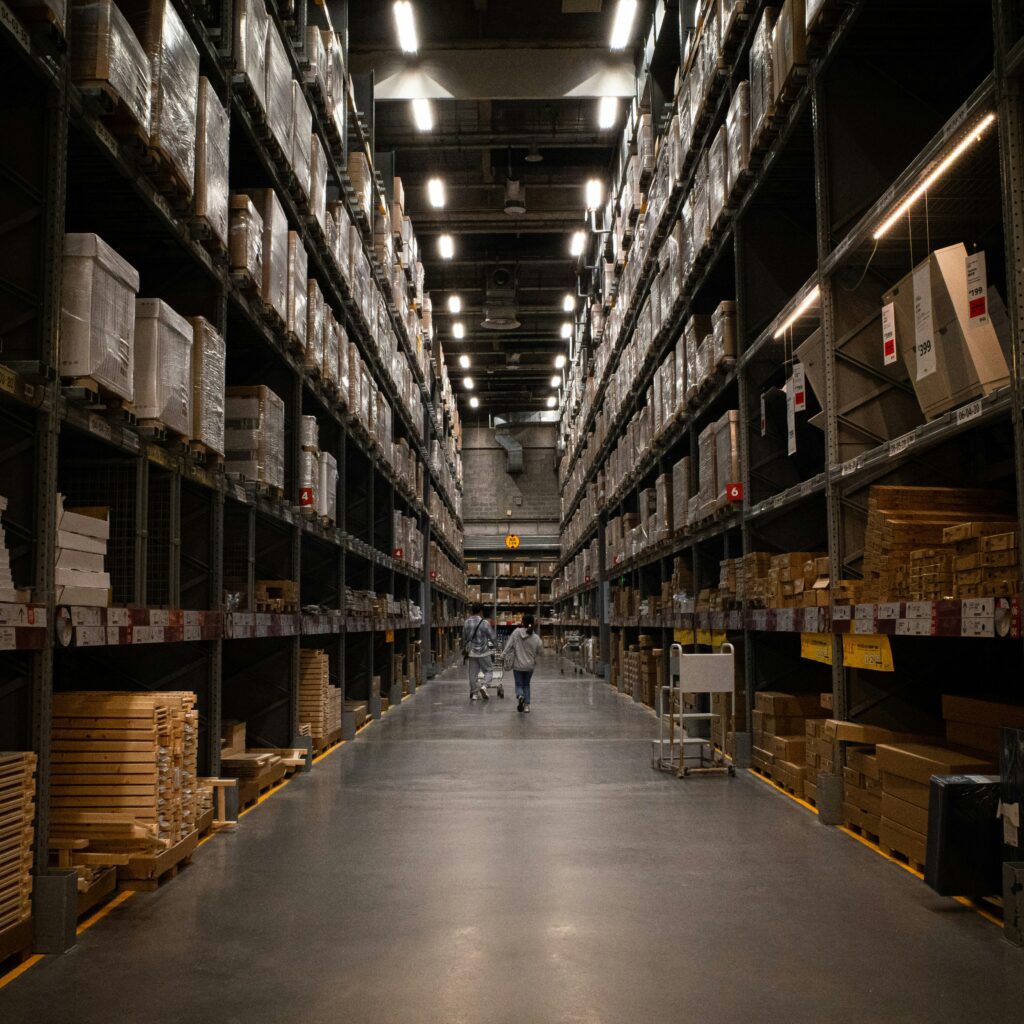
Typical roles in a warehouse environment:
Warehouse jobs are not monolithic; they can include a variety of roles such as
- Pickers and packers: Selecting items from inventory to fulfill orders, packing them safely, and preparing them for shipping.
- Inventory clerks: Keeping track of stock levels, recording incoming and outgoing goods, and performing audits.
- Forklift operators: Operating machinery to move heavy pallets and products around the warehouse safely.
- Shipping and receiving personnel: Checking deliveries, inspecting for damage, unloading trucks, and ensuring timely dispatch.
- Quality control staff: Verifying that products meet standards before shipment to customers.
Each role has its own set of responsibilities, physical requirements, and skills. While some positions, like pickers or packers, may require little prior experience, roles such as forklift operators or inventory clerks may require additional certification or specialized training.
Income potential and opportunities:
Warehouse jobs offer a combination of base pay, overtime, and sometimes bonuses. Salaries can vary depending on the city, company, and role, but a few key points include:
- Base hourly pay: Most entry-level positions start around CAD $16–$20 per hour, depending on location.
- Overtime: Many warehouses offer overtime pay at 1.5x the standard rate, which can significantly boost monthly earnings. During peak seasons, it’s common for workers to earn an additional CAD $500–$1,000 per month in overtime.
- Benefits: Some full-time positions provide health benefits, paid vacation, and retirement contributions.
- Promotion opportunities: Employees can move into supervisory or administrative roles after gaining experience, which can double or triple income over time.
Why this guide is different from typical job boards:
Many online job listings only give a short description of the role and base pay. This guide is designed to provide practical, step-by-step information for anyone serious about landing a warehouse job in Canada and maximizing income. It covers:
- A realistic look at daily responsibilities
- Necessary skills and how to acquire them quickly
- Application strategies that actually work
- CV writing and interview tips
- Differences for applicants already in Canada versus those applying from abroad
- Visa, work permit, and relocation advice
- Common mistakes and pitfalls to avoid
- Career growth and long-term earning potential
Realistic expectations:
It’s important to approach warehouse jobs with clear expectations:
- Work is often physically demanding, involving lifting, bending, and long periods of standing.
- Schedules may include night shifts, weekends, or holidays, especially during high-demand periods.
- Initial positions may not be glamorous, but the skills and experience gained are valuable for career progression.
Next steps for readers:
Throughout this article, you will be guided through each stage of the process to ensure you:
- Understand what the job really entails
- Learn how to meet employer requirements
- Apply effectively and get noticed
- Navigate interviews and onboarding successfully
- Plan for growth and higher income over time
By the end of this guide, readers will have a complete roadmap for entering the warehouse sector in Canada, whether they are newcomers, career switchers, or local applicants. This introduction sets the foundation for the in-depth sections that follow, ensuring every aspect of preparation, application, and career development is covered in detail.

Day-to-Day Responsibilities: What You Will Actually Do in a Warehouse Job in Canada
Working in a warehouse in Canada involves a mix of physical, technical, and administrative tasks depending on your specific role. While each warehouse may operate slightly differently based on size, sector, and company processes, the core responsibilities are remarkably consistent across the country. Understanding these duties is critical before applying, as it prepares you for the pace, expectations, and skills you will need on the job.
1. Receiving and inspecting shipments
One of the primary tasks in any warehouse is handling incoming goods. When shipments arrive, warehouse staff are responsible for:
- Unloading trucks safely using forklifts, pallet jacks, or manual labor, depending on the items’ weight.
- Inspecting items for damage, discrepancies, or missing parts. This prevents errors in inventory and ensures customers receive complete orders.
- Recording receipts in inventory management software, ensuring the stock levels are accurate and up to date.
For example, at a mid-sized Toronto warehouse, a typical morning might involve a team of five employees unloading two delivery trucks, scanning items into the system, and setting them aside in designated storage areas. Missing or damaged items are logged and reported immediately to the supervisor, who contacts the supplier.
2. Picking and packing orders
Once goods are stored, warehouses focus on fulfilling customer or store orders. This includes:
- Picking products from designated locations in the warehouse. Accuracy is critical; errors can lead to customer complaints and additional costs.
- Packing items securely to prevent damage during transport. Workers may use boxes, protective materials, and tape or labels.
- Labeling and preparing shipments for dispatch, ensuring that the correct courier or delivery system is used.
A practical scenario: in a Vancouver e-commerce warehouse, a picker might be responsible for 200 orders per day. Each order could include multiple items located in different sections of the warehouse. The employee must navigate the space efficiently, using a handheld scanner to track each item. Packing requires attention to detail; fragile items must be wrapped carefully, and weight limits must be considered.
3. Inventory management and organization
Maintaining accurate inventory is a crucial responsibility. Tasks may include:
- Stock rotation: Ensuring that older items are used or shipped first (first-in, first-out method).
- Shelf organization: Keeping products in their designated bins, racks, or shelves so they are easy to locate.
- Cycle counts and audits: Performing regular checks to verify that the physical stock matches the digital inventory records.
Example: In a Montreal warehouse specializing in frozen foods, employees perform cycle counts weekly, checking specific sections for discrepancies. This ensures the company can prevent stockouts, reduce losses, and maintain compliance with health regulations.
4. Operating warehouse machinery
Depending on the role, warehouse staff may need to operate equipment such as:
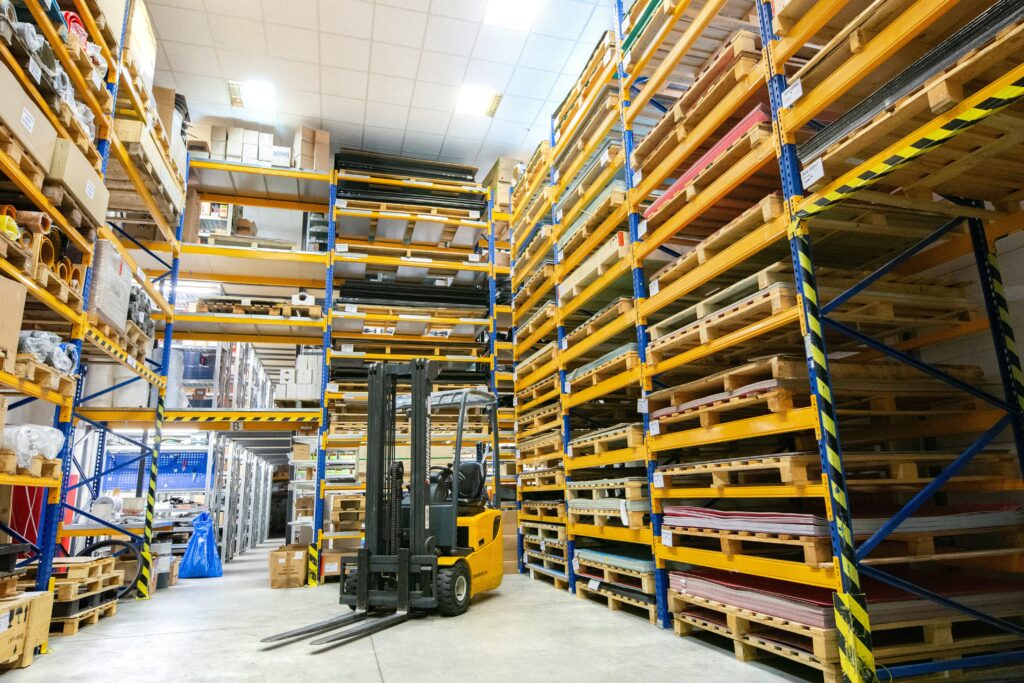
- Forklifts and pallet jacks for moving heavy pallets and large shipments.
- Conveyor systems for sorting and directing products.
- Scanners and inventory management systems for tracking products digitally.
Some positions, like forklift operators, require certification and training, while general pickers may only need to learn basic equipment handling. Operating machinery safely is critical, as accidents can lead to injury or damage to expensive inventory.
5. Maintaining safety and compliance
Canadian warehouses are strictly regulated for safety. Employees must follow protocols such as:
- Wearing personal protective equipment (PPE): Gloves, steel-toed boots, high-visibility vests, and safety goggles.
- Following lifting and carrying guidelines to avoid injury.
- Reporting hazards or accidents immediately to supervisors.
- Adhering to fire and emergency procedures and participating in drills when required.
For example, a Toronto logistics center enforces strict PPE policies, and failure to comply can result in temporary suspension. Workers are trained on proper lifting techniques and forklift operation, ensuring that accidents are minimized.
6. Communication and teamwork
Warehouse work is rarely solitary. Employees must communicate effectively with supervisors, co-workers, and sometimes drivers or delivery personnel. This includes:
- Coordinating order fulfillment with team members to meet daily targets.
- Reporting issues with stock, equipment, or scheduling.
- Collaborating on large shipments that require multiple workers.
In practice, a Vancouver warehouse may have daily huddles where the supervisor assigns zones and discusses priorities, ensuring that each team member knows their responsibilities for the shift.
7. Additional responsibilities depending on specialization
Some warehouse positions include extra duties such as:
- Quality control: Inspecting items for defects or expiration dates, especially in food or medical product warehouses.
- Returns processing: Handling products returned by customers, checking for damage, and restocking or discarding as appropriate.
- Administrative work: Updating records, preparing reports, and coordinating with office staff for scheduling or payroll.
For example, in a Toronto electronics warehouse, quality control staff must test returned items before restocking. This ensures customers receive functional products and reduces the chance of complaints.
Typical daily schedule in a warehouse
A common daily routine might look like this:
- Morning shift (7:00 AM – 3:00 PM): Unloading trucks, checking inventory, and starting order picking.
- Midday: Lunch break, continued picking, and packing orders.
- Afternoon: Preparing shipments for delivery, updating inventory systems, and completing administrative tasks.
Night shifts or weekend work are common during high-demand periods, such as holiday seasons, Black Friday, or online sale events. Employees may also rotate between different tasks to keep the workflow balanced and reduce monotony.
Challenges of the job
While warehouse work offers stable income and opportunities for overtime, it can also be physically and mentally demanding:
- Physical strain: Repeated lifting, bending, and standing for long hours can be tiring.
- Pace pressure: Meeting daily quotas requires focus and efficiency, which can be stressful for some.
- Repetitive tasks: Performing similar tasks repeatedly can feel monotonous, especially for pickers or packers.
- Temperature extremes: Some warehouses store products in cold or hot environments, requiring adaptation to the conditions.
Why understanding daily responsibilities matters
Knowing exactly what warehouse work involves helps applicants:
- Decide if this is the right career path for their skills and lifestyle.
- Prepare physically and mentally for the demands.
- Tailor applications and CVs to highlight relevant experience or adaptability.
- Set realistic expectations about income, overtime, and career progression.

ypical Work Environment and Schedule: What to Expect in a Canadian Warehouse
Understanding the work environment and schedule is critical for anyone considering a warehouse job in Canada. Unlike office jobs, warehouse positions combine physical activity, structured processes, and strict safety protocols. This section provides a comprehensive look at what daily life is like inside Canadian warehouses and how schedules are typically organized.
1. Physical layout of warehouses
Canadian warehouses vary in size and complexity depending on the industry:
- Large e-commerce and logistics centers: These facilities, often 100,000+ square feet, have multiple zones including receiving, storage racks, packing stations, and shipping docks. Conveyor belts and automated sorting systems are common. Employees may walk several kilometers per shift navigating aisles and shelves.
- Retail chain distribution centers: Medium-sized warehouses manage products for multiple store locations. Layouts prioritize efficiency in picking, packing, and inventory storage, often divided by product type.
- Specialized warehouses (food, medical, electronics): Temperature-controlled sections are common. Cold storage warehouses maintain sub-zero temperatures, while electronics warehouses may have secure, climate-controlled rooms.
Example: In a Toronto Amazon warehouse, employees start their shifts in a briefing area, then move through large picking zones with high racks of goods. Conveyor belts transport boxes to packing stations, where workers prepare them for shipment. Forklifts move heavy pallets, and inventory scanners ensure accuracy.
2. Noise and environment
Warehouse environments can be noisy, with machinery like forklifts, pallet jacks, conveyor belts, and packing equipment running throughout the day. Employees must often communicate over background noise, using hand signals or two-way radios in larger facilities.
Temperature can also vary:
- Climate-controlled zones: Many modern warehouses maintain moderate temperatures year-round.
- Cold storage areas: Warehouses storing frozen foods or pharmaceuticals may require insulated clothing, gloves, and boots.
- Hot zones: During summer, non-climate-controlled warehouses can become warm, especially in older buildings.
3. Safety considerations
Safety is a top priority in Canadian warehouses, enforced by both company policies and national regulations:
- Employees must wear personal protective equipment (PPE) including gloves, steel-toed boots, safety vests, and sometimes helmets.
- Training sessions on lifting techniques, forklift operation, and hazard recognition are mandatory.
- Emergency procedures include fire exits, evacuation plans, and first-aid stations.
Failure to follow safety protocols can result in suspension or termination, so workers are expected to take safety seriously from day one.
4. Typical work schedule
Warehouse schedules vary depending on company, season, and location:
- Day shift: Often 7:00 AM – 3:00 PM or 8:00 AM – 4:00 PM. This is the most common schedule and may include some overtime during peak periods.
- Evening/afternoon shift: 3:00 PM – 11:00 PM or 4:00 PM – 12:00 AM. These shifts are often used to process late deliveries or prepare shipments for the next day.
- Night shift: 11:00 PM – 7:00 AM. Overnight shifts are common in large distribution centers, especially for e-commerce warehouses processing 24/7 orders. Night shifts typically pay a slightly higher hourly rate due to unsociable hours.
- Weekend shifts: Many warehouses operate on Saturdays and Sundays. Flexibility is required, and workers may be scheduled on rotating weekends.
Example: A warehouse in Calgary employs 50 workers across three shifts. During peak season, staff may be asked to work additional hours, resulting in 50–60 hour weeks. Management ensures breaks and meal periods are scheduled in compliance with provincial labor laws.
5. Shift rotation and flexibility
Some warehouses rotate employees across different tasks and zones to maintain productivity and prevent fatigue:
- Pickers may rotate between packing and shelving.
- Forklift operators may rotate across different storage areas.
- Administrative staff might move between inventory reporting and shipment tracking.
Flexible schedules are often available, particularly in larger warehouses. Employees can sometimes select preferred shifts based on personal needs, although seniority often influences assignment.
6. Work pace and expectations
Canadian warehouses are highly performance-oriented:
- Workers are expected to meet daily quotas for picking, packing, or loading.
- Timeliness is crucial; delayed shipments can disrupt the supply chain and affect company reputation.
- Seasonal demand can significantly increase workload, requiring longer hours and fast-paced work.
Scenario: During Black Friday, a Toronto electronics warehouse may process thousands of orders per day. Pickers move quickly along aisles, packers focus on accuracy and speed, and team leads coordinate schedules to prevent bottlenecks. Workers need stamina, focus, and effective time management to meet targets without sacrificing safety.
7. Breaks and accommodations
Canadian labor laws require scheduled breaks depending on shift length:
- Short breaks: Typically 10–15 minutes for every 4 hours worked.
- Meal breaks: Usually 30–60 minutes for shifts longer than 5–6 hours.
Employers may provide break rooms, cafeterias, or snack areas. Some warehouses offer free or discounted meals for long shifts, particularly during night or weekend schedules.
8. Team culture and environment
Teamwork is essential in warehouses:
- Employees often rely on each other to move heavy goods, prepare bulk shipments, or troubleshoot issues.
- Supervisors monitor performance and provide feedback to ensure workflow efficiency.
- Positive warehouse culture encourages mutual support, especially during high-pressure periods.
Example: In a Montreal logistics warehouse, daily morning huddles review tasks and highlight safety reminders. Teams collaborate to distribute workload evenly, ensuring no individual is overburdened. Recognition programs reward high-performing staff, boosting morale and engagement.
9. Remote and technological integration
Modern warehouses are increasingly digital:
- Inventory scanners, handheld devices, and tablets are standard tools for tracking goods.
- Some warehouses use automated storage and retrieval systems (AS/RS) for efficiency.
- Workers must be comfortable following digital instructions, scanning barcodes, and updating records in real time.
This technological aspect reduces errors and increases efficiency, but it also requires adaptability and learning basic technical skills.
10. Seasonal and temporary variations
Warehouse work can vary based on seasonal demand:
- Peak seasons such as Christmas, Black Friday, or back-to-school require extra shifts and temporary staff.
- Off-peak seasons may involve lighter workloads but offer fewer overtime opportunities.
- Some companies hire seasonal employees to manage spikes, providing temporary opportunities for newcomers or students.
This section gives a comprehensive view of the work environment and schedule, including:
- warehouse layouts, climate, noise, and safety
- shift types, rotations, breaks, and labor law compliance
- workflow expectations, teamwork, and technological integration
- seasonal variations and their impact on income
.
Skills You Must Have to Get Hired: Essential Competencies for Warehouse Jobs in Canada
While warehouse jobs in Canada are often considered entry-level, they require a combination of physical, technical, and soft skills to perform effectively and advance in your career. Understanding the full skill set before applying will help you prepare, tailor your application, and succeed on the job.
1. Physical fitness and stamina
Warehouse work is physically demanding. Employees are on their feet for most of the shift and often perform repetitive tasks such as lifting, carrying, bending, and moving heavy items. Some typical physical demands include:
- Lifting boxes or pallets ranging from 10–50 kg regularly.
- Walking several kilometers per shift in large facilities.
- Standing or bending for extended periods, particularly in picking and packing roles.
- Performing repetitive motions, such as scanning, wrapping, or stacking items.
Example: A warehouse associate in a Toronto distribution center might walk 8–12 km per day while picking orders, lifting boxes of 20–30 kg, and pushing trolleys. This requires both stamina and proper technique to prevent injury.
Tips to prepare physically:
- Engage in regular cardio exercises (walking, jogging, cycling) to build endurance.
- Practice safe lifting techniques to protect your back.
- Strengthen core and leg muscles to handle repetitive bending and lifting.
2. Attention to detail
Accuracy is critical in warehouse work. Picking the wrong item or mislabeling a shipment can result in costly mistakes, customer complaints, and delays in the supply chain. Essential tasks requiring attention to detail include:
- Verifying items against orders before packing.
- Checking expiry dates on perishable goods.
- Inspecting packages for damage.
- Maintaining accurate inventory records in software systems.
Example: In an Edmonton food warehouse, a picker failed to notice that one pallet contained expired products. This mistake delayed shipments and required the team to repack hundreds of boxes. Employers prioritize candidates who consistently demonstrate careful attention to detail.
How to improve:
- Practice double-checking tasks even in small daily activities.
- Develop systematic routines when performing repetitive tasks.
- Train yourself to spot discrepancies quickly.
3. Basic numeracy and literacy skills
Even entry-level warehouse positions require basic reading and math skills:
- Reading product labels, instructions, and safety guidelines.
- Calculating quantities, weights, or dimensions for packing and shipping.
- Recording accurate data in spreadsheets or inventory systems.
Example: A picker in a Vancouver electronics warehouse needs to confirm the number of items in an order and ensure the shipment matches the packing list. Simple math errors can result in delayed shipments and customer dissatisfaction.
Ways to strengthen skills:
- Practice reading labels, product codes, and instructions carefully.
- Brush up on basic math skills such as addition, subtraction, multiplication, and measurement conversions.
- Familiarize yourself with software tools or handheld scanners used in warehouses.
4. Technical skills and familiarity with equipment
Many warehouse roles require operating machinery or using digital systems. Common technical requirements include:
- Forklift operation: Some roles require moving heavy pallets; operators must be certified.
- Pallet jacks and trolleys: Manual or electric, used to move goods efficiently.
- Inventory management software: Scanners, handheld devices, and warehouse management systems (WMS) track incoming and outgoing stock.
- Conveyor systems: Understanding how to load, unload, and troubleshoot automated sorting equipment.
Example: In a Calgary logistics warehouse, employees use handheld scanners to update stock in real time. A new hire who cannot quickly learn the scanning system slows down the entire workflow.
Tips to build technical skills:
- Take online or local forklift certification courses if required.
- Familiarize yourself with inventory software tutorials.
- Volunteer or practice operating basic equipment if possible.
5. Time management and efficiency
Warehouse work is performance-driven. Meeting daily quotas requires employees to:
- Complete tasks within allocated time frames.
- Prioritize urgent orders or high-demand products.
- Reduce idle time without sacrificing accuracy.
Example: During peak season, a Montreal warehouse expects each picker to process 150–200 orders per day. Efficient planning, route optimization, and task prioritization make the difference between meeting targets or falling behind.
Tips to improve efficiency:
- Use checklists to track progress.
- Plan your route in the warehouse before starting.
- Minimize unnecessary movements while picking or packing.
6. Communication and teamwork
Warehouse roles are rarely solitary. Employees need to communicate effectively with:
- Supervisors to receive instructions and report issues.
- Team members to coordinate tasks and share workloads.
- Delivery drivers or logistics personnel for shipping and receiving.
Example: In a Toronto warehouse, pickers and packers coordinate to ensure that urgent orders are prioritized. Miscommunication can lead to missed deadlines or errors in shipment.
How to develop communication skills:
- Practice clear, concise verbal communication.
- Learn to give and follow instructions accurately.
- Develop active listening skills to understand workflow priorities.
7. Problem-solving and adaptability
Warehouses are dynamic environments. Employees may encounter:
- Damaged goods that need replacement or repacking.
- Misplaced inventory requiring quick location and correction.
- Equipment malfunctions that disrupt workflow.
Example: A Vancouver warehouse faced a scanner outage during a busy shift. The team had to switch to manual tracking while maintaining accuracy. Workers who adapt quickly and remain calm are highly valued.
Tips:
- Stay organized and keep a mental or written checklist.
- Observe experienced colleagues and learn practical solutions.
- Maintain a positive attitude when unexpected issues arise.
8. Reliability and work ethic
Employers prioritize dependable employees who:
- Arrive on time for shifts consistently.
- Take responsibility for completing assigned tasks.
- Follow safety protocols without constant supervision.
Scenario: A Calgary warehouse repeatedly hired temporary staff, but only those with proven reliability were offered permanent positions and overtime opportunities. Demonstrating a strong work ethic directly affects income potential and career progression.
9. Language and comprehension skills
While full fluency in English or French may not always be required, warehouse employees must:
- Understand verbal and written instructions.
- Read safety signs, labels, and company policies.
- Communicate basic issues to supervisors and colleagues.
tip for newcomers: Enrolling in local language classes or workplace-focused programs can improve communication skills and increase job prospects.
10. Additional skills that boost employability
- Basic computer literacy: Helps with digital inventory systems, email communication, or reporting.
- Organizational skills: Efficiently storing items, maintaining clean workspaces, and reducing errors.
- Customer focus (indirect): Understanding that accurate and timely shipments affect customer satisfaction.
Example: An Edmonton warehouse offered promotion opportunities to employees who not only met picking quotas but also suggested process improvements that increased efficiency.
Summary of essential skills:
| Skill Area | Importance | How to Develop |
|---|---|---|
| Physical stamina | High | Exercise, safe lifting practice |
| Attention to detail | High | Practice double-checking tasks |
| Numeracy & literacy | Medium | Brush up on math and reading labels |
| Technical/equipment | Medium-High | Certification, practice with tools |
| Time management | High | Plan routes, use checklists |
| Communication | Medium | Active listening, clear instructions |
| Adaptability | High | Stay calm, learn solutions |
| Reliability | High | Punctuality, accountability |
| Language | Medium | Workplace language courses |
| Organizational | Medium | Maintain clean, orderly workspace |
This section clearly explains all the skills needed, why they matter, and practical ways to develop them

How to Learn or Build These Skills from Scratch: Preparing for a Warehouse Job in Canada
Entering the warehouse sector in Canada does not require decades of experience, but building the right combination of physical, technical, and soft skills dramatically increases your chances of getting hired, performing well, and earning overtime or promotions. This section provides a practical roadmap for developing all the competencies discussed in Section 4.
1. Building physical fitness and stamina
Warehouse work demands strength, endurance, and mobility. You don’t need to be a professional athlete, but preparing your body can prevent injuries and improve performance.
Steps to build stamina:
- Walking or jogging: Start with 30–45 minutes of daily walking or jogging to improve cardiovascular fitness. This will help when walking long distances inside large warehouses.
- Strength training: Focus on core, back, legs, and arms. Exercises like squats, lunges, planks, and light weightlifting simulate lifting and bending tasks.
- Stretching: Daily stretches reduce the risk of strains and injuries. Pay attention to hamstrings, lower back, and shoulders.
- Practice lifting safely: Learn proper techniques, such as bending at the knees and keeping your back straight when lifting heavy items.
Example: A newcomer in Toronto trained by lifting household boxes progressively, walking with a loaded backpack, and doing basic squats daily. Within three weeks, they could comfortably handle typical lifting tasks in a warehouse without fatigue.
2. Improving attention to detail
Accuracy is essential in warehouses to prevent costly mistakes. Beginners can train themselves to develop sharper attention to detail.
Practical exercises:
- Checklists: Practice following step-by-step instructions in daily tasks and checking off items.
- Observation drills: When shopping or handling items at home, note differences in labels, colors, and expiration dates.
- Simulation: Pretend you are packing an order. Track each item carefully, then verify against a “packing list” to ensure correctness.
Example: An Edmonton applicant practiced packing online orders at home, timing themselves while keeping items correct. This exercise helped them quickly adapt to professional picking and packing standards.
3. Strengthening numeracy and literacy
Even basic math and reading comprehension can make a difference in your application and performance:
Practical steps:
- Use free online resources or apps to practice arithmetic and measurements.
- Read product labels, instruction manuals, or online guides to improve comprehension.
- Simulate inventory tracking with small items at home. Count, weigh, and record them to mimic a real warehouse scenario.
Example: A Vancouver job seeker created a mini “inventory system” with household items. They tracked quantities, practiced scanning barcodes with a smartphone app, and recorded data in a spreadsheet. This hands-on practice made them confident using real inventory systems.
4. Gaining technical skills and equipment familiarity
Certain warehouse positions require operation of forklifts, pallet jacks, or inventory software. Beginners can prepare before being hired.
Steps to develop technical competence:
- Forklift training: Many community colleges and private training centers in Canada offer short forklift certification courses, typically completed in 1–2 weeks.
- Pallet jack practice: Local warehouses sometimes allow volunteers or interns to familiarize themselves with basic equipment. Even practicing with manual trolleys at home can help.
- Digital literacy: Learn to use basic spreadsheet software (Excel or Google Sheets) and barcode scanning apps.
Tip: Emphasize any technical skills or certifications in your CV. Forklift certification, even if not immediately required, can significantly improve hiring chances.
5. Developing time management and efficiency
Efficient warehouse workers complete tasks accurately and on time. Beginners can develop these skills before employment:
Practical exercises:
- Simulated picking exercises: Place items in different rooms, then create a route to pick and pack them as quickly and accurately as possible.
- Timed tasks: Use a stopwatch to track how long tasks take, then gradually reduce time without making errors.
- Prioritization drills: Practice identifying urgent items versus standard ones and completing them first.
Example: A student practicing at home created a mock warehouse with household items. They timed themselves picking and packing orders, gradually reducing errors while improving speed.
6. Improving communication and teamwork
Warehouse work often involves close collaboration with colleagues. Beginners can prepare by practicing interpersonal and communication skills:
Steps to develop communication skills:
- Join group activities or volunteer where coordination is needed.
- Practice giving and following clear instructions in daily tasks.
- Role-play common warehouse scenarios, such as reporting missing items or asking for assistance.
Example: A newcomer in Calgary joined a community volunteer program where tasks required coordination in teams. They learned to communicate effectively, follow instructions, and provide updates—skills directly transferable to warehouse environments.
7. Building adaptability and problem-solving skills
Warehouses are dynamic; unexpected challenges arise daily. You can train yourself to adapt quickly:
- Simulate errors in practice scenarios and find solutions. For instance, intentionally misplace items and track how quickly you locate and correct them.
- Practice staying calm under timed exercises or stressful situations.
- Learn to anticipate common issues, such as equipment malfunctions or mislabeling, and think ahead on solutions.
Example: In a Vancouver warehouse, an employee who had practiced problem-solving at home noticed a mislabeled pallet and quickly corrected it before a shipment left. Their adaptability earned recognition and faster promotion.
8. Strengthening reliability and work ethic
Employers value employees who consistently show up on time and take responsibility:
- Practice punctuality: Set alarms and schedules before starting a job search.
- Consistency in routines: Develop habits for completing tasks reliably every day.
- Accountability exercises: Track tasks and hold yourself to completion deadlines.
Example: A Toronto applicant maintained a personal “work diary” for two weeks, completing daily tasks on time and noting progress. This habit reflected directly in their ability to maintain quotas in the warehouse.
9. Language and comprehension skills
Even basic English or French comprehension is critical:
- Enroll in local language courses: Focus on workplace communication and vocabulary.
- Practice reading instructions and labels: Use simple materials and gradually increase complexity.
- Use language apps or online tutorials to improve understanding of safety protocols, equipment manuals, and instructions.
Example: A newcomer from overseas practiced reading product labels aloud daily and learned common warehouse terminology. By the time they applied, they could communicate clearly with supervisors and teammates.
10. Organizing and prioritizing tasks
Organizational skills improve efficiency and reduce errors:
- Practice keeping workspaces tidy and items categorized.
- Develop simple filing or labeling systems for tasks and materials.
- Use checklists to track progress and ensure nothing is missed.
Scenario: A Calgary employee practiced arranging items in boxes by size and urgency before shipping. On their first day at work, they were able to follow the warehouse’s system without additional guidance, impressing supervisors.
Summary:
Building skills from scratch involves consistent, practical effort. Even beginners can prepare for warehouse jobs by:
- Exercising for stamina and strength
- Practicing accuracy and attention to detail
- Learning basic numeracy and literacy
- Acquiring technical or equipment certifications
- Developing time management, teamwork, and adaptability
- Enhancing language and organizational abilities
By actively preparing in these areas, job seekers increase their chances of hiring, performing efficiently, and accessing overtime or promotion opportunities. These steps also help newcomers integrate into Canadian workplace culture smoothly.

Education, Certificates, or Licenses: Formal Requirements and Advantageous Credentials for Warehouse Jobs in Canada
While warehouse jobs are often considered entry-level and accessible, understanding the education, certifications, and licenses that employers expect—or that can improve your employability—is critical. This section explores both the mandatory and optional qualifications that help you stand out, earn more, and potentially access higher-responsibility roles.
1. Minimum education requirements
Most warehouse jobs in Canada do not require a university degree. Typical expectations include:
- High school diploma or equivalent (GED): Most full-time positions prefer applicants who have completed secondary education. This ensures a baseline of literacy, numeracy, and workplace readiness.
- Functional literacy and numeracy: Even without a diploma, workers must be able to read labels, instructions, and safety signage, and perform basic arithmetic.
Example: In a Calgary logistics center, an applicant without a high school diploma was still hired as a picker after demonstrating accuracy and reliability during a trial shift. However, candidates with a diploma were more likely to be considered for supervisory or administrative roles.
2. Forklift certification
Forklift operation is a common requirement in warehouses that handle heavy pallets or large shipments. Forklift certification is legally required in Canada for anyone operating a forklift in the workplace.
Key points:
- Certification courses typically last 1–2 weeks and cover safety, operation techniques, and maintenance.
- Employers value certified candidates because it reduces training time and liability risks.
- Certification is portable; once obtained, it can be used across multiple provinces.
Example: A Toronto warehouse had 10 forklift positions available. Certified applicants were prioritized, and uncertified applicants could only be hired for manual tasks like picking or packing until they completed training.
3. Pallet jack and basic equipment training
Some warehouses require familiarity with pallet jacks, hand trucks, or other manual lifting devices. While formal certification is usually not required, employers appreciate candidates who have prior experience.
Practical tip:
- Many community colleges or employment centers offer short, practical workshops on safe pallet jack operation.
- Hands-on experience in volunteer or temporary positions also counts.
4. Inventory and warehouse management software training
Modern warehouses use digital systems for inventory tracking and logistics management. Familiarity with software can give candidates an advantage:
- Warehouse Management Systems (WMS): Programs like SAP, Manhattan, or Oracle NetSuite track stock, shipments, and employee performance.
- Handheld scanners and mobile apps: Workers scan items and update inventory in real time.
Example: A Vancouver applicant familiar with basic Excel and barcode scanning quickly adapted to the warehouse’s WMS, earning positive evaluations from supervisors and gaining overtime opportunities.
5. Safety and compliance certifications
Canadian law emphasizes safety in warehouses, and certain certifications may be required or preferred:
- WHMIS (Workplace Hazardous Materials Information System): Mandatory for workers handling chemicals or hazardous materials.
- Occupational Health & Safety (OH&S) training: Provides general knowledge of safety practices and emergency procedures.
- First Aid/CPR: Helpful for employees in large facilities to respond quickly in case of accidents.
Example: An Edmonton warehouse required WHMIS training for employees handling cleaning supplies and industrial chemicals. New hires without prior certification were enrolled in short courses before beginning work.
6. Optional but advantageous certifications
Certain certifications are not strictly required but increase employability and career growth:
- Advanced forklift operation: Multi-shift or specialized forklift operation can qualify workers for higher pay.
- Inventory management courses: Improves understanding of logistics and opens doors to supervisory positions.
- Logistics and supply chain diplomas: Available through colleges or online programs, they provide a path to management roles.
Example: A warehouse associate in Montreal completed a supply chain diploma online. Within a year, they were promoted to team lead and earned a 20% salary increase.
7. Certifications for newcomers
For applicants arriving from abroad, understanding Canadian certifications is important:
- Many training programs are available through local employment centers, community colleges, and government-funded initiatives.
- Short-term programs often provide both instruction and practical experience, helping newcomers gain immediate employable skills.
- Some provinces, like Ontario and British Columbia, offer subsidized training for newcomers specifically targeting warehouse and logistics careers.
Tip: Prioritize certifications recognized nationally or provincially, as these are transferable between cities and employers.
8. Documentation required for application
Even for positions without formal certificates, employers will require:
- Proof of identity and legal work status in Canada (e.g., PR card, work permit, or Canadian ID).
- Education proof, if requested, for high school completion or equivalent.
- Training or certification records, if applying for specialized roles like forklift operation.
Example: A Dubai newcomer with a temporary work permit in Toronto could not operate a forklift until completing the Canadian certification course, even though they had years of overseas experience. However, they could start in packing or picking roles immediately.
9. How to prioritize certifications
For maximum employability:
- Start with mandatory safety and legal certifications like WHMIS and forklift training.
- Focus on digital literacy and software familiarity, which are increasingly required.
- Pursue optional credentials for career growth, such as logistics or supply chain diplomas.
Practical strategy:
- Begin with short-term, high-impact courses that allow immediate employment.
- Plan for longer-term certifications once employed to access promotions and higher pay.
10. Summary
While warehouse jobs in Canada are accessible to individuals without advanced degrees, having the right certifications and licenses improves your chances of:
- Being hired faster
- Accessing higher-paying roles or overtime opportunities
- Gaining promotions or supervisory positions
- Complying with Canadian safety and workplace regulations
Key takeaway: Prioritize mandatory certifications, gain practical experience with equipment and software, and use optional diplomas or training to accelerate career growth.
ools, Machines, and Software Used in Warehouse Jobs: What You Need to Know
Warehouse jobs in Canada require familiarity with a variety of tools, machinery, and software systems. While some positions are primarily manual, most modern warehouses integrate technology and equipment to improve efficiency, reduce errors, and maintain safety. Understanding what you might encounter will help you prepare for the role and appear competent to employers.
1. Hand tools and basic equipment
Even in highly automated warehouses, basic hand tools remain essential:
- Box cutters and scissors: Used for opening shipments and cutting packing materials. Workers must use these safely to avoid injury.
- Packing tape dispensers and glue guns: Essential for sealing packages securely.
- Label printers: Used to print shipping labels, barcode tags, or internal tracking labels.
- Hand trucks and dollies: Lightweight carts used to move small to medium-sized boxes.
Example: A picker in a Calgary warehouse uses a combination of box cutters, tape, and a hand truck to efficiently pick and pack multiple orders in a single run.
2. Pallet jacks and forklifts
Heavy lifting in warehouses requires specialized equipment:
- Manual pallet jacks: Basic devices for moving pallets a short distance. They are simple, inexpensive, and do not require certification.
- Electric pallet jacks: Motorized versions reduce physical strain and improve efficiency for heavier or bulkier loads.
- Forklifts: Required for moving large pallets and crates, stacking goods in high racks, or loading/unloading trucks. Certified operators are needed, and improper use can lead to injury or fines.
Practical tip: Many employers prioritize applicants with forklift experience or certification, even if it is not immediately required for entry-level picking and packing roles.
Example: In a Toronto warehouse, an operator uses a forklift to move 500 kg pallets from the receiving dock to storage shelves, while manual pallet jacks handle smaller items nearby. Workers coordinate to maintain safety and efficiency.
3. Conveyor belts and automated systems
Large warehouses often rely on conveyor belts and other automation to streamline order processing:
- Conveyor belts: Move products from picking stations to packing and shipping areas. Employees place or remove items, monitor flow, and ensure accuracy.
- Sorting machines: Automatically separate products by order or destination. Workers check for jams or misrouted items.
- Automated storage and retrieval systems (AS/RS): Used in high-volume warehouses, these systems pick, store, and retrieve items with minimal human intervention. Workers primarily monitor, load, or troubleshoot the system.
Example: An Amazon warehouse in Vancouver uses conveyor belts that transport packages to designated packing stations. Pickers must place items on the belt in the correct orientation, scan barcodes, and confirm they match the order.
4. Inventory management and scanning tools
Digital tools are essential for tracking inventory accurately:
- Handheld barcode scanners: Used to scan incoming shipments, track products, and update stock levels in real time.
- RFID readers: Some warehouses use RFID technology to quickly track pallets or boxes.
- Inventory management software (WMS): Systems like SAP, Oracle, Manhattan, or NetSuite record inventory movements, update stock levels, and manage orders.
Example: In a Montreal logistics warehouse, employees scan hundreds of items per hour using handheld scanners connected to the WMS. Accuracy and speed are crucial, as the system updates inventory in real time and feeds orders to the shipping team.
5. Packaging and labeling machines
Packaging efficiency often depends on specialized machinery:
- Automated tape dispensers and shrink wrap machines: Reduce manual effort and improve speed.
- Labeling machines: Apply shipping or tracking labels quickly and consistently.
- Strapping machines: Secure boxes or pallets with plastic or metal straps to prevent damage during transport.
Example: In an Edmonton warehouse, a packer places boxes on an automated shrink wrap station that wraps multiple boxes at once, significantly increasing throughput.
6. Safety equipment and personal protective tools
Canadian warehouse employers emphasize safety, and employees must be equipped appropriately:
- Steel-toed boots: Protect feet from heavy items.
- Gloves: Improve grip and prevent cuts or abrasions.
- High-visibility vests: Ensure workers are seen by equipment operators.
- Safety goggles or helmets: Required in areas where forklifts or heavy equipment operate.
Tip: Some employers provide PPE, while others may require you to supply basic items. Always confirm with HR or supervisors.
7. Communication and monitoring tools
Effective communication is essential in large warehouses:
- Two-way radios: Used by supervisors and staff to coordinate tasks.
- Intercom systems: Provide announcements or emergency instructions.
- Mobile apps: Some warehouses use apps for task management, shift assignments, or reporting issues.
Example: In a Calgary warehouse, a supervisor communicates with floor staff via two-way radios, giving instructions to redirect shipments or resolve equipment issues in real time.
8. Specialized machinery for certain industries
Some warehouses require additional, industry-specific tools:
- Cold storage warehouses: Temperature-controlled forklifts and insulated gloves are necessary.
- Food warehouses: Scales, portioning machines, and temperature monitoring tools ensure quality compliance.
- Electronics warehouses: Anti-static mats, wrist straps, and sensitive handling tools prevent damage to delicate equipment.
Example: A frozen food warehouse in Toronto requires staff to wear insulated gloves and handle items with trolleys designed to operate on ice-resistant flooring.
9. Learning to use tools safely and efficiently
Even simple tools can be dangerous if used improperly. Beginners should:
- Complete any mandatory training on equipment, such as forklifts or pallet jacks.
- Observe experienced colleagues before operating machines.
- Follow manufacturer instructions and workplace safety policies.
- Keep tools maintained and report malfunctions immediately.
Know that: Demonstrating safe and efficient equipment use can lead to overtime, promotions, or additional responsibilities.
10. Simply:
Warehouse work in Canada involves a mix of manual, mechanical, and digital tools:
- Basic hand tools for packing and labeling
- Heavy equipment like forklifts and pallet jacks
- Automated systems and conveyor belts
- Digital scanners and inventory management software
- Safety equipment and communication tools
Mastery or familiarity with these tools not only ensures safety and efficiency but also boosts employability, allows access to higher-paying roles, and prepares workers for long-term career growth.
Salary Range and What Affects How Much You Earn in Canadian Warehouse Jobs
Understanding the earning potential of a warehouse job in Canada is crucial for anyone considering this career path. Salaries vary depending on location, experience, specialization, certifications, and even the season. This section breaks down realistic salary expectations, overtime opportunities, and factors that can significantly influence income.
1. Base hourly pay for entry-level warehouse jobs
Entry-level positions such as pickers, packers, and general warehouse associates typically start at:
- CAD $16–$20 per hour in most major cities.
- Slightly lower in smaller towns or rural areas (CAD $15–$18/hour).
- Higher in high-demand sectors or specialty warehouses (up to CAD $22/hour).
Example: A newcomer in Toronto began as a picker earning CAD $17/hour. After a few months, they moved to a night shift role at CAD $19/hour, taking advantage of higher pay for unsociable hours.
Practical insight: While base pay provides stability, it rarely represents the maximum income potential. Overtime, bonuses, and promotions significantly increase total earnings.
2. Overtime pay
Overtime is a major source of income for warehouse workers:
- Standard overtime pay is 1.5x the regular hourly rate for hours exceeding 44 per week (varies by province).
- Some warehouses offer double time for statutory holidays or weekend shifts.
- Seasonal peaks, such as Black Friday, Christmas, or back-to-school periods, often provide extended overtime opportunities.
Example: A picker in Vancouver earning CAD $18/hour worked 50 hours per week during December. Their overtime of 6 hours/week at 1.5x rate added roughly CAD $162 weekly, boosting monthly earnings by over CAD $600.
Tip: Consistently volunteering for extra shifts during peak periods is one of the fastest ways to increase income.
3. Specialized roles and higher pay
Certain positions command higher wages due to required skills or certifications:
| Role | Typical Hourly Rate |
|---|---|
| Forklift operator | CAD $20–$25 |
| Inventory clerk / WMS operator | CAD $18–$23 |
| Supervisor / Team lead | CAD $25–$35 |
| Quality control / specialized handling | CAD $20–$27 |
Example: A certified forklift operator in Calgary started at CAD $22/hour and moved into a supervisory position after a year, increasing pay to CAD $30/hour while managing a small team.
Insight: Certifications, technical skills, and experience are key determinants of higher pay. Workers who acquire these skills early can accelerate income growth.
4. Location-based salary differences
Pay rates vary by city and province:
- Toronto, Vancouver, Calgary: Higher cost-of-living cities generally pay more (CAD $17–$22/hour for entry-level).
- Montreal, Ottawa: Slightly lower entry-level pay (CAD $16–$20/hour).
- Rural areas: CAD $15–$18/hour for similar work, but transportation or housing may be less expensive.
Example: A picker in Toronto earns CAD $18/hour, while the same role in a smaller Ontario town pays CAD $16/hour. Overtime and bonuses can reduce the income gap in high-demand periods.
5. Seasonal impact on income
Warehouse salaries can fluctuate throughout the year:
- Peak season: Extra shifts and extended hours often result in earnings 20–50% higher than average monthly pay.
- Off-peak season: Regular hours with less overtime may reduce income temporarily.
Example: During the Christmas season, a Montreal warehouse worker doubled their monthly income through overtime and weekend work. In January, with reduced demand, monthly earnings returned to base pay levels.
6. Additional compensation factors
Other factors affecting warehouse income include:
- Shift differentials: Night and weekend shifts often pay slightly more per hour.
- Bonuses: Some employers provide productivity, safety, or attendance bonuses.
- Tips (rare): In some small warehouses handling food delivery or catering, small gratuities may be possible.
- Promotions: Moving into supervisory or administrative roles can significantly increase income.
Example: A Vancouver team lead received a monthly performance bonus of CAD $200–$300 in addition to base pay, further increasing annual earnings.
7. Income potential over time
Warehouse work is not just about entry-level pay. With experience and skill development:
- Workers can earn CAD $25–$35/hour in supervisory positions.
- Specialized operators or inventory managers can earn over CAD $40/hour in high-demand sectors.
- Some workers eventually move into logistics, supply chain management, or operations, earning CAD $50,000–$70,000+ annually.
Example: A Calgary warehouse associate started at CAD $17/hour and pursued WMS training, certifications, and overtime. Within three years, they became a team lead earning CAD $32/hour, plus regular overtime.
8. Abroad comparison: Dubai warehouse jobs
For those considering international opportunities:
- Entry-level warehouse positions in Dubai typically pay AED 2,500–4,000/month (approx. CAD $900–$1,400).
- Specialized roles like forklift operators or supervisors can earn AED 5,000–7,500/month (CAD $1,700–$2,600).
- Dubai often provides accommodation or transport allowances, which affects overall compensation.
Insight: While salaries in Dubai may appear lower in absolute Canadian dollars, lower personal expenses or provided housing can balance the total income.
9. Tips to maximize warehouse income
- Prioritize overtime: Seek shifts during peak demand to earn more.
- Acquire certifications: Forklift, WHMIS, or software training increases pay and promotion potential.
- Pursue specialized roles: Inventory management, quality control, or supervisory positions pay more.
- Work in high-demand cities: Urban centers often offer higher hourly rates and more overtime opportunities.
- Maintain reliability: Punctual and dependable employees are more likely to receive extra hours or promotions.
10. In Summary
Canadian warehouse jobs provide stable entry-level pay with strong potential for overtime and career growth. Income is influenced by:
- Role and responsibilities
- Certifications and technical skills
- Location and cost-of-living differences
- Seasonal demand
- Reliability, work ethic, and performance
Remember: While base pay is moderate, strategic planning—such as taking extra shifts, gaining certifications, and aiming for specialized roles—can significantly increase overall income, aligning warehouse work with your goals of maximizing skills and earnings.

How to Apply Successfully and Stand Out in Your Warehouse Job Application
Landing a warehouse job in Canada requires more than simply submitting an application. Understanding what employers are looking for, presenting your skills effectively, and demonstrating reliability can make the difference between being hired or overlooked. This section provides a step-by-step guide to applying successfully.
1. Understanding the employer’s perspective
Employers look for candidates who:
- Can perform tasks safely and efficiently
- Are reliable, punctual, and consistent
- Have the skills or certifications required for the role
- Can work well in teams and follow instructions
Insight: Employers often receive dozens or hundreds of applications for each warehouse opening. Candidates who clearly demonstrate practical skills and reliability stand out immediately.
2. Preparing a strong resume
Even for entry-level warehouse jobs, a tailored resume increases your chances of getting noticed. Key elements include:
- Contact Information: Full name, phone number, email, and location.
- Objective Statement (optional but recommended): One to two sentences summarizing your goal and relevant skills.
- Example: “Motivated warehouse associate with WHMIS certification and experience in order picking and inventory management seeking to contribute to a fast-paced Toronto logistics team.”
- Skills Section: Highlight physical, technical, and soft skills.
- Examples: Forklift certification, WHMIS training, attention to detail, teamwork, basic computer literacy.
- Experience Section: Include relevant work experience, internships, or volunteer work. Emphasize responsibilities like picking, packing, inventory tracking, or equipment operation.
- Education and Certifications: Include high school diploma, relevant certifications, and specialized training.
Tip: Keep your resume concise (1–2 pages), clearly formatted, and free of errors. Use bullet points for readability.
3. Writing a strong cover letter
Although some employers may not require a cover letter, submitting one can help you stand out. Key points to include:
- Brief introduction and purpose for applying
- Relevant skills and certifications
- Willingness to work flexible hours or overtime
- Examples of reliability or teamwork
Example:
“I am applying for the warehouse associate position at [Company Name]. I bring WHMIS certification, forklift experience, and a strong work ethic. I am accustomed to fast-paced environments and take pride in accurate order fulfillment. I am available for flexible shifts and eager to contribute to your team’s success.”
4. Preparing for the interview
Warehouse interviews are often practical and behavioral rather than highly technical. Common topics include:
- Safety awareness: Employers may ask about handling heavy items, operating equipment, or following safety protocols.
- Experience and reliability: Expect questions about past jobs, attendance, and teamwork.
- Problem-solving skills: Situational questions, such as “What would you do if a shipment was missing items?”
Practical tips:
- Dress neatly and wear clean, appropriate clothing.
- Be punctual.
- Speak clearly and confidently.
- Provide specific examples from past work or practice scenarios.
Example Question & Answer:
- Q: “How do you handle repetitive tasks without losing focus?”
- A: “I focus on accuracy first, use checklists to track progress, and take short breaks as allowed to stay alert and maintain consistent performance.”
5. Applying online vs. in person
- Online applications: Most large warehouses use online portals. Submit resumes, cover letters, and certifications via the company website or job boards like Indeed, Workopolis, or LinkedIn.
- In-person applications: Smaller warehouses sometimes accept walk-in applications. Dress appropriately, bring copies of your resume and certifications, and be ready for an impromptu interview.
Pro Tip: Follow up after applying online. A polite phone call or email to confirm receipt demonstrates initiative and reliability.
6. Leveraging certifications and skills to stand out
Highlight skills and certifications that employers value most:
- Forklift or pallet jack certification
- WHMIS and safety training
- Experience with warehouse management software
- Physical stamina and attention to detail
Example: Including WHMIS and forklift certification at the top of your resume immediately signals you can handle critical warehouse tasks safely.
7. Networking and referrals
Sometimes, knowing someone within the company or industry can accelerate hiring:
- Talk to friends or family who work in logistics.
- Attend local job fairs focused on warehousing or supply chain jobs.
- Join online groups or community forums for warehouse workers in your city.
Example: A newcomer in Toronto got an interview after a friend referred them to a large e-commerce warehouse. The referral helped bypass the initial online screening.
8. Highlighting soft skills
Employers value qualities that ensure smooth operations:
- Punctuality and reliability
- Teamwork and collaboration
- Adaptability to changing tasks or schedules
- Positive attitude and willingness to learn
Example: A candidate with no prior warehouse experience highlighted volunteer teamwork and flexibility in a cover letter. This caught the employer’s attention and secured a trial shift.
9. Preparing for probation and trial periods
Many warehouses have trial or probationary periods to assess new hires:
- Duration: Typically 1–3 months.
- Evaluation: Attendance, safety compliance, accuracy, and productivity.
- Advice: Treat this period seriously, demonstrate reliability, and learn processes quickly.
wise move: Take notes during training, ask questions politely, and observe experienced colleagues to adapt faster.
10.We Summarize by stating that:
Applying successfully for warehouse jobs in Canada requires:
- A tailored resume and optional cover letter highlighting relevant skills and certifications
- Preparation for behavioral and safety-focused interviews
- Willingness to work flexible hours and demonstrate reliability
- Leveraging networking, referrals, and proactive follow-up
- Highlighting both hard and soft skills to stand out
Know that: Candidates who prepare carefully, demonstrate certifications, and show reliability are far more likely to be hired, gain overtime, and progress to higher-paying roles.

Career Growth and Opportunities: How to Move Beyond Entry-Level Warehouse Jobs
Warehouse jobs in Canada offer more than just entry-level pay. For motivated employees, there are clear pathways to higher-paying roles, supervisory positions, and specialized careers. Understanding these opportunities and how to pursue them is essential for maximizing income, developing skills, and building a long-term career.
1. Moving from entry-level to specialized roles
Entry-level roles such as pickers, packers, and general warehouse associates provide foundational experience. After gaining experience, employees can move into specialized positions:
- Forklift operators and equipment specialists: Requires certification but increases pay and responsibilities.
- Inventory control or WMS operators: Manages digital inventory systems, requiring computer literacy and attention to detail.
- Quality control or compliance roles: Ensures products meet safety, hygiene, and company standards.
Example: A picker in Toronto started in an entry-level role but gained forklift certification and became a forklift operator within six months, increasing hourly pay from CAD $17 to $22.
Tip: Focus on roles that match your skills and certifications. Additional training can accelerate this transition.
2. Supervisory and team lead positions
Supervisors and team leads manage small teams of warehouse employees, oversee workflow, and ensure safety compliance.
- Requirements: Proven reliability, experience in multiple warehouse tasks, and strong communication skills.
- Responsibilities: Assigning tasks, monitoring performance, reporting to management, and mentoring new hires.
- Salary potential: CAD $25–$35/hour, depending on location and facility size.
Example: In a Calgary logistics warehouse, a team lead overseeing 12 employees coordinated picking, packing, and shipment processes. Their responsibilities included training new hires and ensuring productivity targets were met.
Tip: Demonstrate leadership potential early by helping colleagues, volunteering for extra responsibilities, and showing problem-solving skills.
3. Warehouse management and operations
For long-term career growth, warehouse employees can move into management:
- Operations managers: Oversee multiple teams or entire warehouse sections, focusing on efficiency, cost control, and workflow optimization.
- Supply chain coordinators: Coordinate logistics, inventory flow, and shipment schedules across facilities.
- Training or safety officers: Specialize in employee development, safety compliance, and workplace improvements.
Salary potential: CAD $50,000–$70,000 annually for management roles, with variation by city, company size, and experience.
Example: A Montreal employee with experience as a WMS operator and team lead pursued a supply chain diploma online. Within two years, they became a logistics coordinator earning CAD $55,000/year.
4. Certifications and continuous learning for advancement
Certifications can accelerate career growth:
- Forklift or equipment upgrades: Advanced or multi-shift certifications increase responsibilities and pay.
- WHMIS, first aid, or safety officer certifications: Required for roles overseeing compliance.
- Inventory management, logistics, or supply chain diplomas: Opens doors to managerial positions.
Practical strategy: Begin with certifications that have immediate impact on daily work, then pursue longer-term qualifications for managerial opportunities.
5. Seasonal experience as a stepping stone
Working during peak seasons such as Black Friday, Christmas, or back-to-school can provide:
- Opportunity to gain rapid experience
- Demonstrate reliability under pressure
- Receive performance-based bonuses
Example: A Vancouver picker consistently volunteered for overtime during peak periods. Their productivity and reliability led to a permanent role and eligibility for promotion to a supervisory position within a year.
6. Skills that lead to promotion
Beyond certifications, employers look for soft skills that indicate readiness for higher responsibility:
- Leadership and mentorship ability
- Problem-solving and adaptability
- Attention to detail and accuracy
- Effective communication and teamwork
Example: A Calgary warehouse associate trained new hires informally and suggested workflow improvements. This initiative was recognized by management, and they were promoted to team lead within eight months.
7. Long-term income potential
Warehouse work is not static; with skill development, certifications, and strategic positioning:
- Entry-level wages of CAD $16–$20/hour can increase to CAD $25–$35/hour in supervisory roles.
- Specialized operators or team leads may earn CAD $22–$30/hour.
- Management or logistics roles can provide annual salaries of CAD $50,000–$70,000+.
- Overtime, peak-season work, and performance bonuses further enhance income.
Insight: Career progression in warehouses is often linear and predictable: entry-level → specialized role → team lead → management. Employees who proactively acquire skills and certifications move faster along this path.
8. Opportunities abroad
For those considering work outside Canada, knowledge of career growth is important:
- Dubai warehouse jobs: Entry-level salaries are lower, but supervisory or specialized roles can earn AED 5,000–7,500/month (~CAD $1,700–$2,600).
- Acquiring certifications recognized internationally (e.g., forklift operation) increases employability abroad.
Example: A Dubai warehouse associate obtained forklift certification in Canada, which allowed them to secure a higher-paying operator role when relocating overseas.
9. Strategic planning for career growth
To maximize career potential:
- Set goals: Decide whether you aim for specialized roles, supervision, or management.
- Acquire skills: Certifications and practical experience are essential.
- Document achievements: Track completed tasks, overtime performance, and contributions to efficiency.
- Seek mentors: Learn from experienced colleagues to understand workflow optimization.
- Take initiative: Volunteer for extra tasks, process improvements, or training responsibilities.
10. Eventually:
Career growth in warehouse jobs is attainable with:
- Strategic skill acquisition and certifications
- Demonstrated reliability and initiative
- Gaining experience during peak periods
- Developing leadership, problem-solving, and technical competencies
- Planning and targeting higher-responsibility roles
bear in mind that: Warehouse jobs offer a realistic pathway to stable, well-paying careers in Canada and abroad. With careful planning, proactive skill-building, and strategic positioning, employees can move from entry-level roles to management, maximizing both income and professional satisfaction.
Is Warehouse Work Right for You?
Before committing to a warehouse job, it’s important to understand both the advantages and the challenges of this career path. Warehouse work can provide stable income and growth opportunities, but it also has physical, mental, and lifestyle considerations. This section breaks down the pros, cons, and factors to consider to make an informed decision.
1. Pros of warehouse jobs
a. Steady employment and demand
- Warehouses are essential to the supply chain and e-commerce sectors, creating continuous demand for workers.
- Seasonal peaks (e.g., holidays, back-to-school) provide additional opportunities for income.
Example: A picker in Toronto had consistent employment for two years, despite economic fluctuations, due to ongoing demand in e-commerce logistics.
b. Opportunities for overtime and extra income
- Many warehouses offer overtime during peak seasons.
- Night shifts or weekend shifts often pay higher rates.
Example: A Vancouver warehouse associate increased monthly earnings by 30% during the December peak season through overtime shifts.
c. Skill development and career growth
- Employees gain transferable skills like forklift operation, inventory management, and digital system use.
- Soft skills like teamwork, reliability, and problem-solving are highly valued.
Example: A Calgary worker used warehouse experience to move into a supervisory role, eventually entering logistics management.
d. Certifications and credentials are achievable quickly
- Forklift, WHMIS, and first aid certifications are attainable in short courses.
- Even newcomers or those without formal education can obtain these certifications to increase employability.
e. Entry-level accessibility
- Minimal education requirements make warehouse jobs accessible to a wide range of applicants.
- Physical stamina, reliability, and willingness to learn often outweigh formal experience.
Example: A newcomer from abroad secured a warehouse role in Montreal with no prior Canadian experience, relying on strong reliability and eagerness to learn.
2. Cons of warehouse jobs
a. Physical demands
- Long hours on your feet, lifting, bending, and carrying heavy items.
- Repetitive motions can lead to fatigue or injury without proper technique.
Tip: Proper stretching, lifting techniques, and fitness training are essential to prevent strain.
b. Work environment
- Noise, temperature variations (cold storage or outdoor loading), and sometimes fast-paced, high-pressure conditions.
- Some warehouses may have limited air conditioning or climate control.
Example: A picker in a frozen food warehouse in Toronto wore insulated gloves and boots to manage long hours in cold storage areas.
c. Repetitive tasks
- Tasks can become monotonous, such as scanning, picking, or packing hundreds of items daily.
- Maintaining focus and attention to detail is critical to avoid errors.
d. Shift schedules and flexibility
- Early morning, night, or weekend shifts are common.
- Work-life balance may be challenging if personal commitments conflict with warehouse schedules.
Tip: Choose shifts that align with your lifestyle whenever possible and discuss flexibility with supervisors.
e. Entry-level pay limitations
- Base pay for beginners is moderate (CAD $16–$20/hour), though overtime can boost income.
- Long-term career growth often requires certifications, skill development, and proactive initiative.
3. Reality check: Who thrives in warehouse work?
Warehouse jobs are ideal for individuals who:
- Are physically capable and able to work on their feet for long periods
- Are detail-oriented and reliable
- Enjoy structured tasks and predictable workflows
- Are willing to acquire certifications and learn new skills
- Can work flexible hours, including nights or weekends when needed
Example: A Toronto warehouse associate who struggled in highly social office roles thrived in a structured warehouse environment, where focus, physical activity, and reliability mattered most.
4. Reality check: Who may face challenges?
Warehouse jobs may be less suitable for individuals who:
- Have physical limitations that prevent lifting or standing for long periods
- Dislike repetitive tasks or manual labor
- Require strict 9–5 schedules or consistent daytime work
- Prefer a desk-based or highly social work environment
Insight: Understanding your strengths, lifestyle, and physical capacity before applying prevents frustration and turnover.
5. Balancing pros and cons for decision-making
To determine if warehouse work is right for you:
- Consider your financial goals: Can you maximize overtime and certifications?
- Evaluate physical readiness: Are you prepared for manual work and long shifts?
- Assess career goals: Do you want long-term growth in logistics or management?
- Factor in personal lifestyle needs: Are shift flexibility and physical demands manageable?
Tip: Shadowing a warehouse worker or completing a short trial shift can provide realistic insight before committing long-term.

6. Advantages for newcomers to Canada
Warehouse work offers unique opportunities for newcomers:
- Quick employment with minimal language or credential barriers
- Transferable skills and certifications recognized nationally
- Pathway to permanent employment, promotions, and long-term income stability
Example: A newcomer from Dubai secured a warehouse job in Montreal and used overtime, certifications, and reliability to transition into a supervisory role within 18 months.
7. Global perspective
Warehouse jobs abroad, such as in Dubai, offer:
- Lower base pay but sometimes accommodation and transport allowances
- Opportunities for overtime during peak seasons
- Similar skill development and career growth opportunities, especially for certified operators
8. Summary of pros and cons
| Pros | Cons |
|---|---|
| Steady employment and high demand | Physically demanding |
| Overtime and extra income | Repetitive tasks |
| Skill development and transferable skills | Variable work schedules |
| Accessible entry-level roles | Moderate entry-level pay |
| Certifications achievable quickly | High-pressure periods possible |
9. Simply:
Warehouse work in Canada offers a realistic path to stable income, skills development, and career growth. However, it is physically demanding, sometimes repetitive, and requires reliability and adaptability. By carefully weighing pros and cons, acquiring certifications, and planning for advancement, individuals can make informed decisions and maximize both income and career satisfaction.